


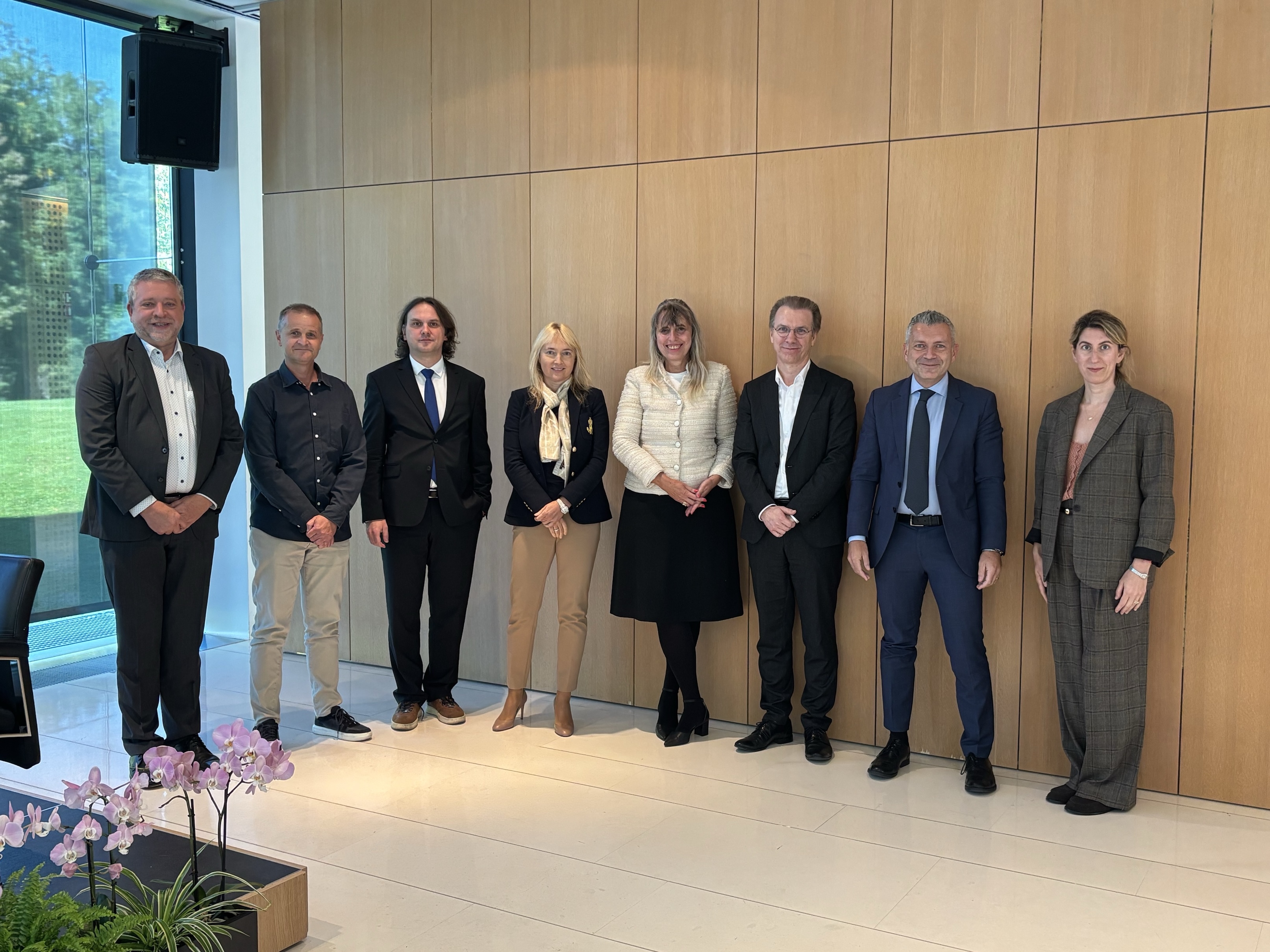
Space-based data and technologies offer new opportunities to enhance the reliability and resilience of electricity grids. Their potential applications were presented by experts from the space and energy sectors at the event “Space Technologies for Electricity Grid Resilience”, co-organised by the European Space Agency (ESA), the Ministry of the Economy, Labour and Sport – Slovenian Space Office, and ELES.
As a result of the energy transition, the integration of an increasing share of renewable energy sources into the power system and the impacts of climate change, electricity grids are facing increasingly complex challenges. High-quality data, advanced forecasting methods and technologies that enable better infrastructure monitoring and early identification of risks are therefore becoming increasingly important for ensuring grid reliability and resilience.
At the event “Space Technologies for Electricity Grid Resilience”, experts from ESA, ELES, ENTSO-E, Belgian system operator Elia, Slovenian research institutions and technology companies presented opportunities for using space-based data and technologies to strengthen the resilience of European electricity grids.
A central part of the event was dedicated to the presentation of the European Space Agency’s new call, Smart and Resilient Energy Systems, developed in cooperation with ELES and open until 27 November 2026. The call is based on specific needs and challenges identified by ELES and aims to support the development of solutions that use space technologies to improve the resilience of electricity grids. The solutions are expected to contribute to better risk forecasting, more effective support for grid operation and long-term strategic planning.
The call represents an opportunity not only for global stakeholders but also for Slovenian technology companies and research institutions active in the development of space technologies, ranging from niche technological solutions to advanced academic research.
The development of the call was made possible through Slovenia’s participation in ESA's Business Applications and Space Solutions (BASS). BASS supports the development of commercially viable solutions based on the use of space-based data and technologies. Its particular value lies in connecting the space sector with users from other areas of the economy.
For Slovenian companies and research organisations, this creates additional opportunities to participate in ESA projects and to develop solutions with potential for application across the wider European market. Slovenia has earmarked EUR 1.5 million for the programme for the next three-year period.
Štefan Kušar, State Secretary at the Ministry of the Economy, Labour and Sport, said at the event: “Satellite data and space technologies are already being used in numerous fields – from energy and transport to agriculture, the environment and security. Their value lies primarily in enabling better information, more efficient management and better decision-making. In the energy sector, satellite data can contribute to improved infrastructure monitoring, risk forecasting, responses to extreme weather events and more efficient grid management.”
He added: “Through our participation in the ACCESS BASS programme, we therefore aim to encourage projects that connect space expertise with the concrete needs of the economy and lead to solutions with clear commercial potential.”
“For us, power system resilience is no longer merely the ability to respond to disruptions, but above all the ability to anticipate them, limit their consequences and recover quickly. This depends primarily on the accuracy of the information available to us and the quality of the decisions we are able to make within an increasingly limited timeframe. We need more precise insights into the state of the grid, better forecasts of operating conditions and more effective infrastructure management. And this is precisely where opportunities for cooperation with the space industry emerge,” emphasised Uroš Salobir, MSc, Director of the Strategic Innovation Department at ELES and Chair of the ENTSO-E Research and Development Committee.
“I believe that solutions developed to address ELES’s needs, given their replicable nature, will also be valuable for further development and deployment by other electricity grid operators,” he added.
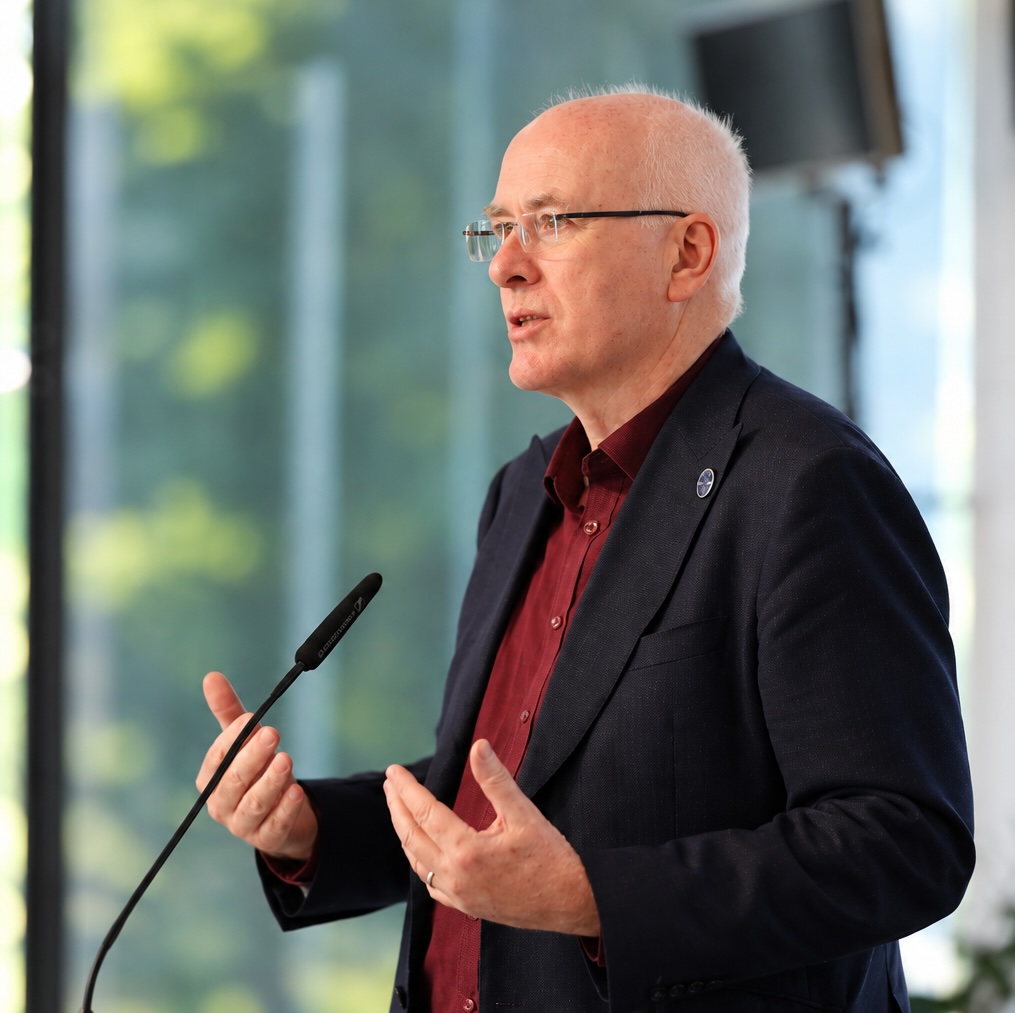 Nick Appleyard, Head of Commercialisation Acceleration Department at ESA concluded: “Slovenia has a dynamic and growing space ecosystem, with strong capabilities and a clear commitment to innovation and international cooperation, providing a solid foundation for the continued development of a competitive space sector. Through ESA’s Business Applications and Space Solutions (BASS), as part of the ACCESS programme, we aim to build on these strengths by connecting Slovenian companies and capabilities with real user needs and wider market opportunities, supporting commercially viable applications enabled by space technologies and data. Our cooperation with ELES, and the initiative we are launching today, reflects this ambition. By bringing together operational expertise, market needs and space-enabled innovation, we can help create new opportunities and support solutions with the potential to generate economic and societal value in Slovenia and beyond.”