

Objectives of the service
Use a bold image to start your webpage. It can be a photo or an infographic like this. Remember that you project webpage can be a powerful marketing tool.
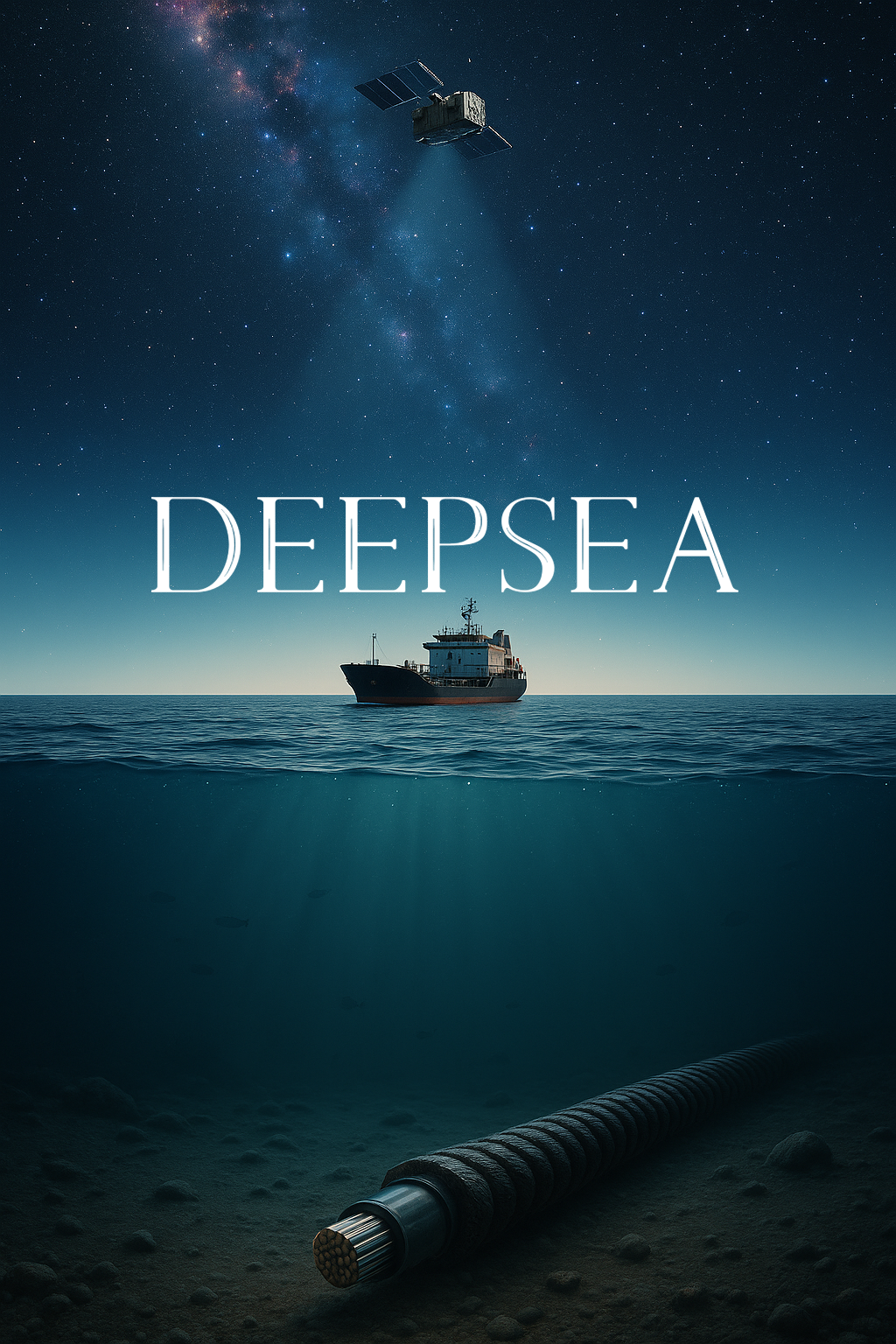
The service addresses the growing challenge of monitoring dark ships—vessels that operate without broadcasting identification signals—near critical underwater infrastructure such as fibre optic cables. These ships pose a serious risk to communication networks and energy assets by increasing the likelihood of damage through anchoring, fishing, or deliberate interference. Traditional monitoring systems such as radar or satellite imagery are limited in coverage, cost, and real-time capability. The proposed solution combines acoustic sensing from existing subsea fibre optic cables with satellite-based vessel tracking to enable continuous, real-time maritime surveillance. By using Distributed Acoustic Sensing technology to detect sound and vibration along cables, and correlating these signals with Automatic Identification System data from satellites, the system can identify and locate both compliant and non-compliant vessels. The objective of the activity is to develop and validate this integrated detection system in collaboration with an infrastructure owner, ensuring the approach is technically sound, operationally useful, and aligned with real-world needs. The activity will result in a software prototype, tested on real data, that demonstrates the system’s ability to monitor vessel activity passively and continuously, setting the stage for commercial deployment.
Users and their needs
The primary user community includes organisations responsible for maritime infrastructure, particularly subsea cable operators and energy providers. Key users include Føroya Tele, Farice, Alcatel, and BP Oil. They are located in the Faroe Islands, Denmark, and broader North Sea region.
User needs:
-
Real-time monitoring of subsea infrastructure
-
Detection of “dark ships” without AIS/VMS transponders
-
Cost-effective, continuous surveillance
-
Early warning of potential damage or interference
-
Reduced insurance costs through risk mitigation
Challenges:
-
Processing vast data volumes from DAS in real-time
-
Ensuring integration with existing infrastructure and workflows
-
Accurately classifying acoustic signals amid marine noise
-
Demonstrating commercial viability to risk-averse customers
Service/ system concept
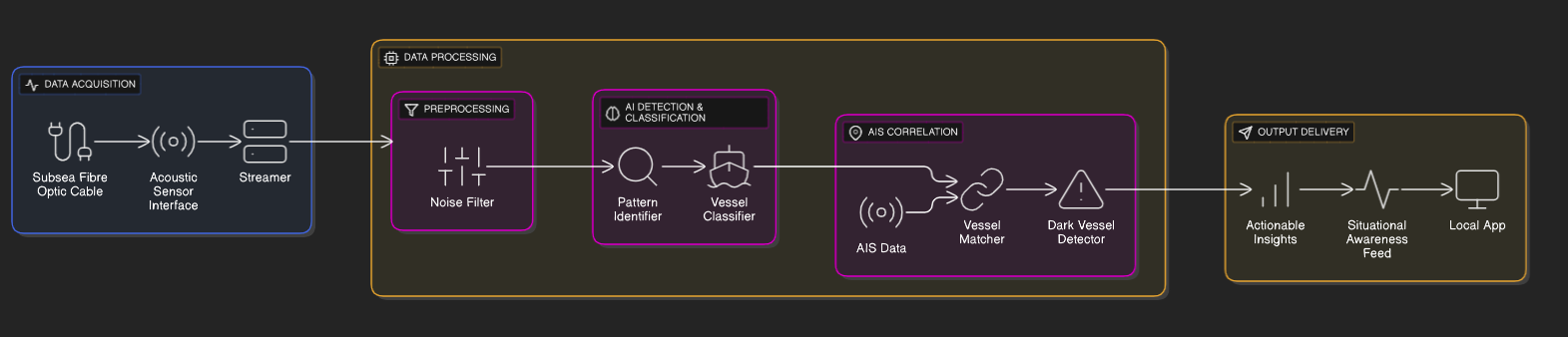
The DEEPSEA service provides real-time acoustic monitoring around subsea infrastructure using existing fibre optic cables. It allows users to detect and possibly classify nearby maritime activity, including vessels without AIS signals. The system collects acoustic data from subsea cables, which is then processed by Tordenskjold’s locally installed software. This software filters noise, identifies patterns of interest using AI, and correlates them with AIS data to determine whether a vessel is known or operating dark. The final output is delivered directly to the user via a local or web-based interface, enabling continuous situational awareness. The architecture includes components for data acquisition, preprocessing, AI-driven detection and classification, AIS correlation, and delivery of actionable insights. The system leverages customer infrastructure and is designed to operate efficiently at scale, providing a cost-effective solution for maritime monitoring.
Space Added Value
The DEEPSEA system integrates satellite-based Automatic Identification System (AIS) and GNSS data with Distributed Acoustic Sensing (DAS). AIS provides identity and position information for vessels, while DAS detects acoustic signals from all nearby activity, including non-cooperative ships. This combination creates a more complete maritime awareness picture. The added value lies in the synergy between local, high-resolution DAS sensing and wide-area satellite tracking. Unlike traditional systems that rely solely on space-based data, the hybrid system allows detection of dark ships and immediate validation using AIS. Current surveillance methods like radar or satellite imagery often lack real-time coverage and are costly to operate at scale. By combining DAS and space assets, DEEPSEA offers real-time, persistent monitoring at reduced cost, filling critical gaps in existing maritime surveillance.
Current Status
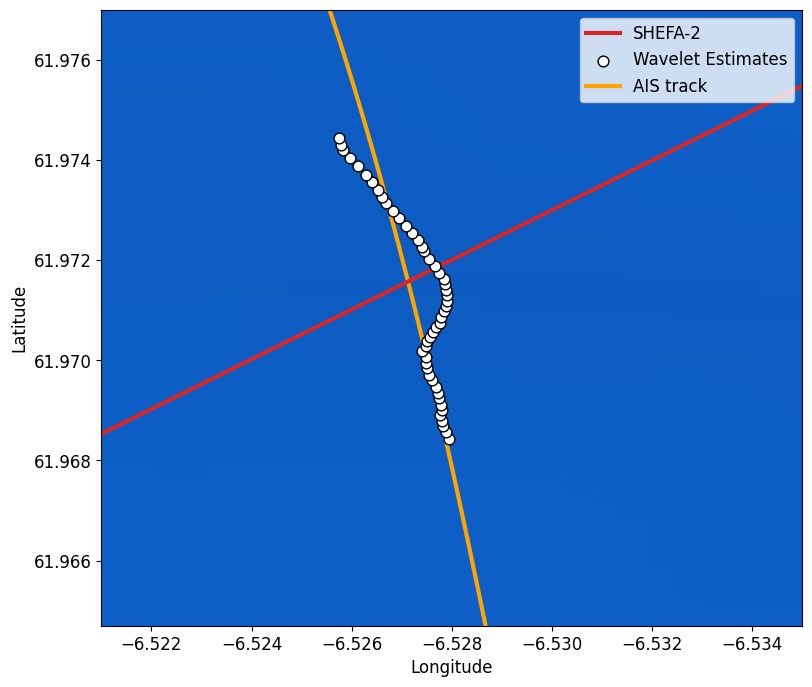
The DEEPSEA KickStart project has progressed significantly. Two strategic workshops were held in Denmark, each attended by 20+ stakeholders from defense, telecom, and government sectors. A live pilot using DAS data was conducted with Føroya Tele, including real-world testing with a rented vessel. A formal pilot has now been launched with Global Connect, who also signed a Letter of Intent, marking a shift to a committed commercial partner. Tordenskjold’s ship detection algorithms have been validated on real DAS datasets, confirming technical feasibility. Currently, advanced discussions with Global Connect are ongoing to prepare for long-term deployment. Upcoming activities include commercial pilot scaling, refining integration with C2 systems, and finalizing monetization models.
