
ESA title

Can you help close the green hydrogen gap with space technology?
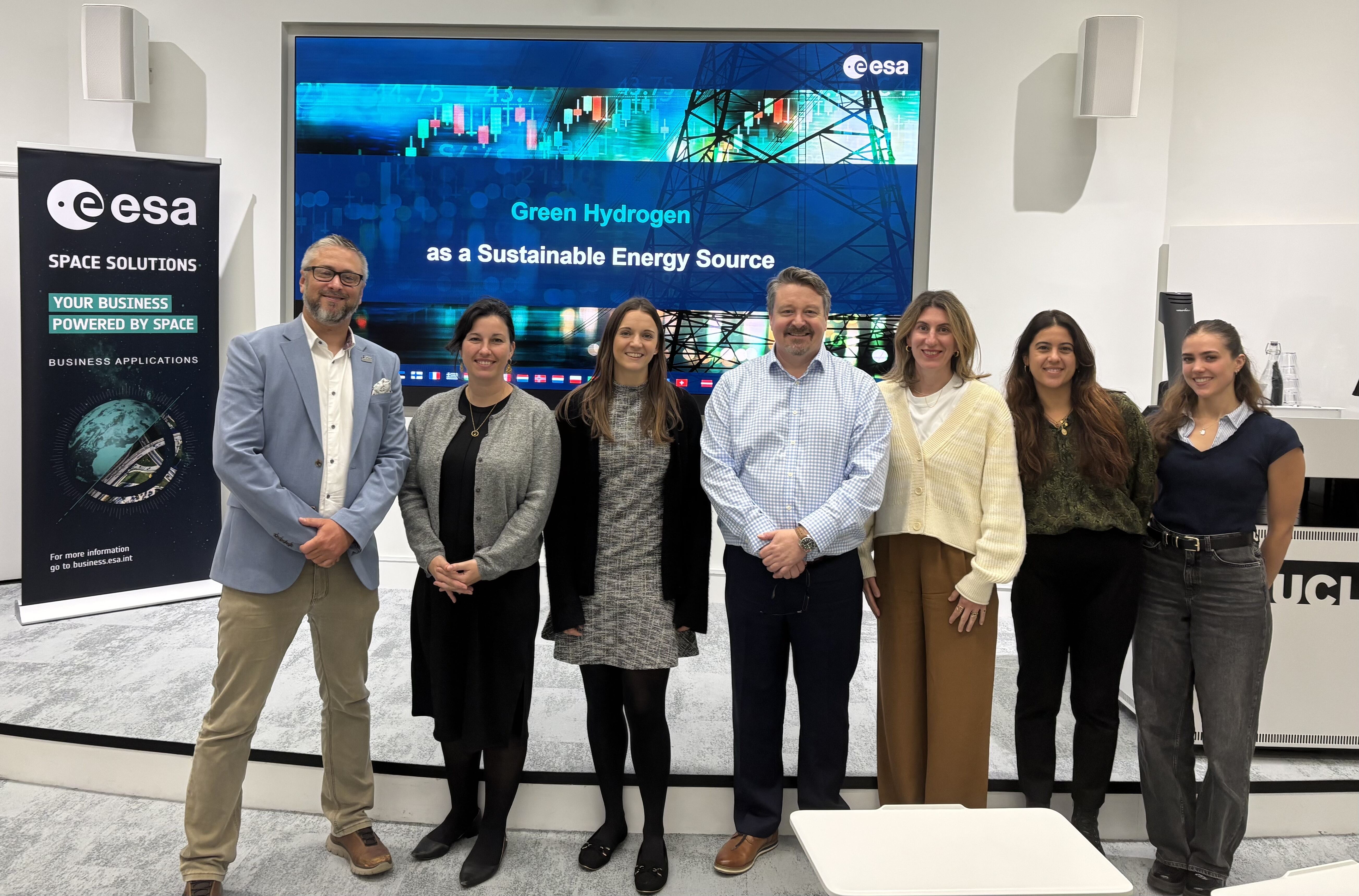
Business representatives and academics gathered at the UCL in London for an interactive workshop hosted by the European Space Agency’s Business Applications UK Regional Ambassador Grant Day. The event took place to explore the opportunities for space solutions within the green hydrogen sector ahead of the launch of the Green Hydrogen as a Sustainable Energy Source funding call by ESA’s Business Applications and Space Solutions (BASS) programme, supported by relevant members of the ESA BASS Energy Task Force

The key takeaways from the workshop were clear: more innovative ideas and projects leveraging space technology are urgently needed to fill the large and growing gap that exists between the demand and supply of green hydrogen – and that international collaboration is needed for success. 

In her opening words, Asimina Syriou, Lead Energy Expert, BASS programme, highlighted the great potential for the application of space technology in use cases including: 

  • Analysing existing energy infrastructure to help determine suitable locations for hydrogen production 
  • Assessing the availability of the necessary resources to produce renewable hydrogen: water, solar power, wind power 
  • Decarbonising long-haul shipping and aviation 
  • Developing safe and reliable storage and distribution solutions 
  • Improving efficiency in energy systems, while balancing renewable supply and demand 
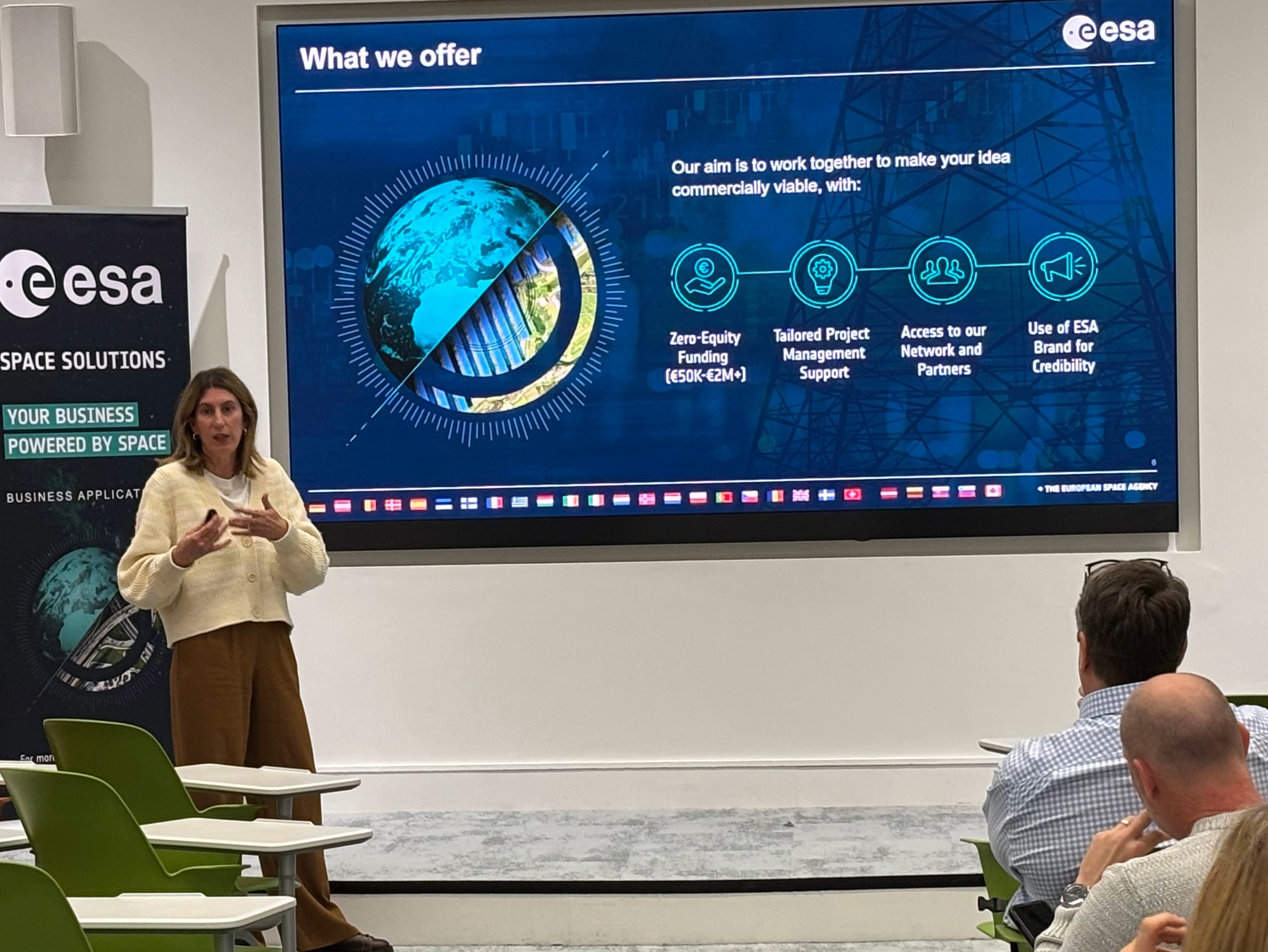
To drive this potential forward to fruition, Ms Syriou stressed the importance of fostering international collaboration, and as such the value of the BASS Energy Task Force in supporting initiatives such as the Green Hydrogen As a Sustainable Energy Source funding call that is now live. 

Dr Miriam Schwarz, R&D Partnerships Manager at Offshore Renewable Energy Catapult, echoed this, stressing how collaboration and innovation could help bridge the cost and production gaps: “It is really exciting to explore how we can join space applications with green hydrogen.” 

“In the EU there are a lot of support mechanisms written in national laws, working hard to bridge the gap between demand and production.” 

“The challenge is the gap between what the off-takers are willing to pay and what the cost of production currently is. We need to work hard to bring the cost down.” 

Meanwhile, with the energy transition in full swing, the demand for green hydrogen is set to rise, particularly in hard-to-abate sectors.  

Chloe Tindale, Strategic Marketing Manager at Air Products UKI, said: “The market for green hydrogen is growing with more hydrogen applications continuing to emerge.”  

But upping the production of green hydrogen to the scale that is needed is challenging. “We are 80% complete building a 300km2 renewable hydrogen complex in Neom that is bringing 210 tonnes of renewable hydrogen into the UK daily. But to put this into context, this is still only 3% of the UK Government’s target for 2030 – this shows the gap that we need to fill in this growing market for green hydrogen,” explained Ms Tindale. 

This gap was further illustrated by Prof Chris Smith, Director at Seren Sustainability, who spoke about the rocketing demand for green hydrogen in the maritime industry. 
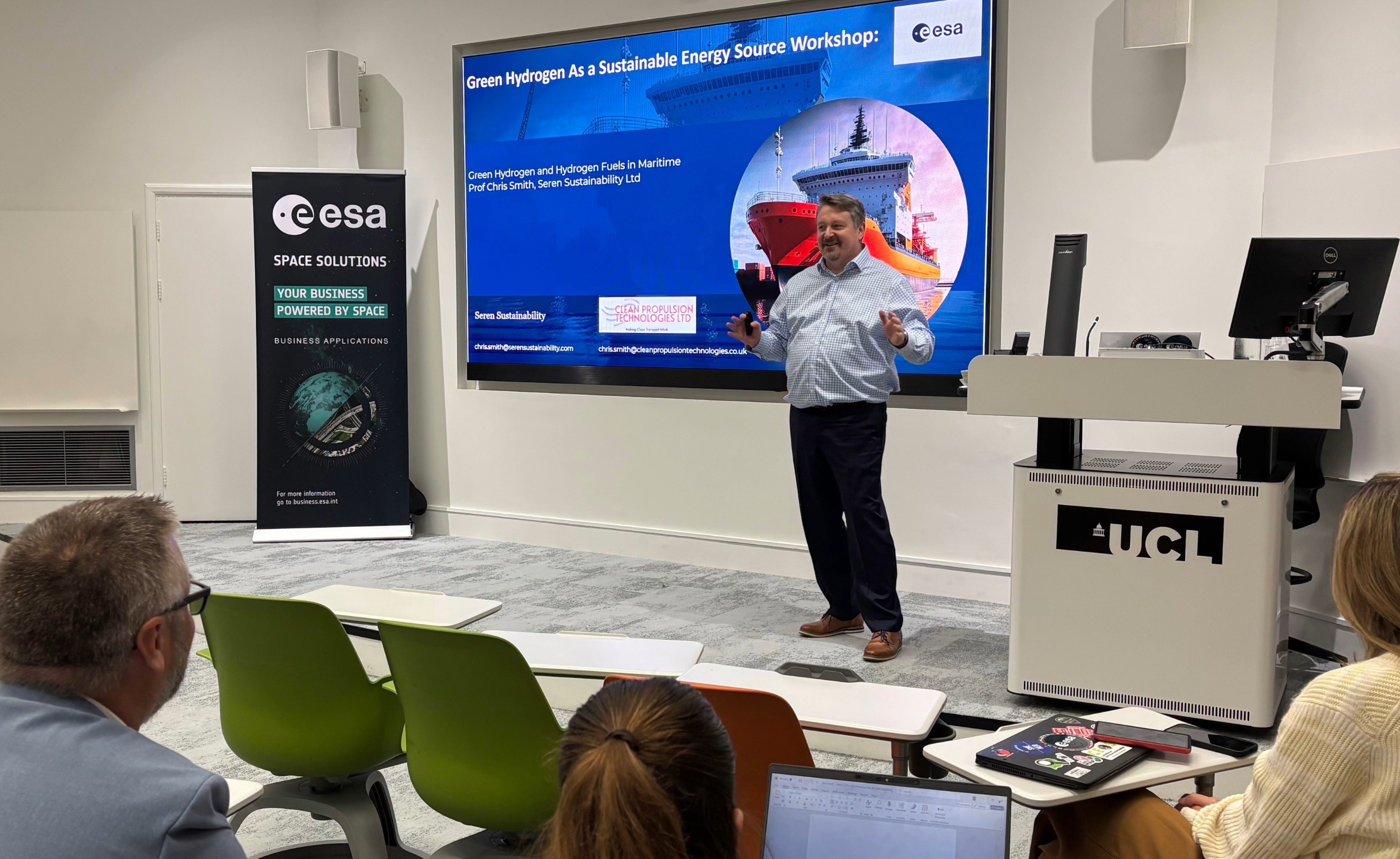
“The International Maritime Organisation (IMO) is mandating a 40% decarbonisation target for large ships by 2030 and has put in place a pricing and reward mechanism that will be enforced from January 2028,” he said. “The only way shipping can achieve these aggressive targets is with green hydrogen – so there will be a big demand.” 

Prof Smith welcomed the funding call as an opportunity for industry to help bridge the gap: “This ESA BASS green hydrogen funding call is really timely. There is a huge gap in just what the maritime sector is going to need and what is going to be available - we need all your ideas and contributions to meet this demand!” 

The workshop concluded with a message to the business community from Mr Day: “We are now inviting businesses to submit proposals using satellite-based solutions in supporting hydrogen technology. 

“We have detailed some use case examples on our website, but these are only examples - you as the industry are the expert and we are open to hearing your use case ideas. The only prerequisite is that it uses at least one space asset.” 

The Green Hydrogen as a Sustainable Energy Source funding call opened 9 October and closes 6 November - follow the link to find out more.  
 

Community reference
Posted to Hero article section
Teaser paragraph

Business representatives and academics gathered at the UCL in London for an interactive workshop hosted by the European Space Agency’s Business Applications UK Regional Ambassador Grant Day. The event took place to explore the opportunities for space solutions within the green hydrogen sector ahead of the launch of the Green Hydrogen as a Sustainable Energy Source funding call by ESA’s Business Applications and Space Solutions (BASS) programme, supported by relevant members of the ESA BASS Energy Task Force


Shared mobility service dramatically reduces costs and emissions for the NHS

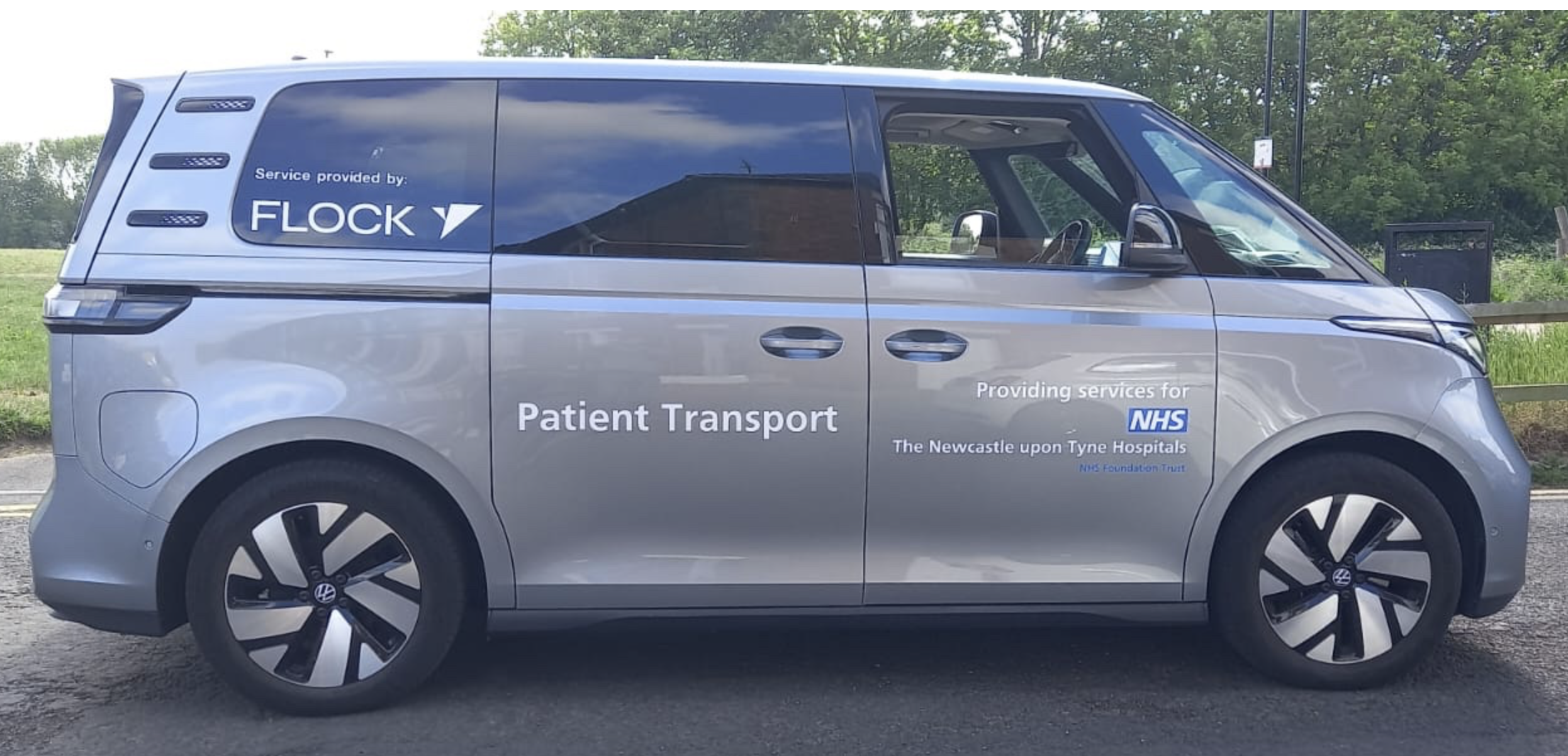
Workplace transport is typically fragmented, inefficient and costly. UK company Flock Mobility set out to reduce waste and emissions in company transport by developing a demand driven platform using AI to optimise the utilisation of fleets of Electric Vehicles (EVs) under ESA’s Business Applications and Space Solutions (BASS) Programme. The Flock Service enables users to make better use of fewer vehicles as they can fulfil multiple functions, providing lift shares, shuttle services and courier roles.
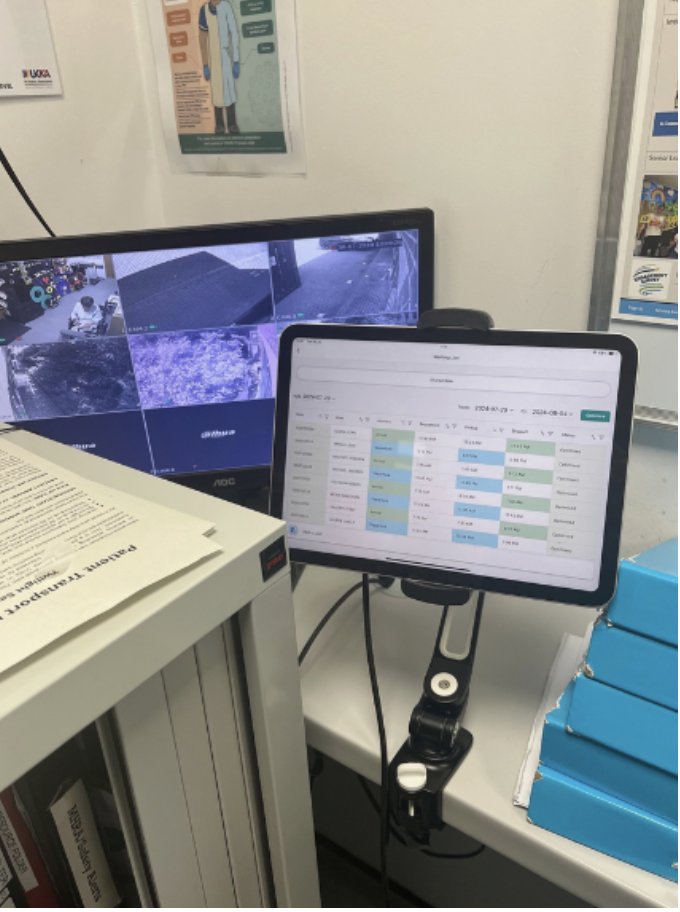
The project was trialled for a year with the Newcastle upon Tyne Hospitals NHS Foundation Trust operating 6 days a week, 14 hours a day, across different sites and departments and achieved remarkable results.

Previously, departments in the pilot relied heavily on taxis for patient transport and Flock Mobility enabled the unit to save significant sums each year by switching to shared rides. Other teams were able to book EVs from a shared pool but the cars were not required at weekends. A unique feature of the service is using vehicles for multiple purposes, so these cars were redeployed to other departments which did operate on Saturdays, resulting in more savings on taxi costs at the weekend.

The Flock team also identified vehicle ‘down time’, when patients were attending appointments, and by using the same cars to provide ‘a courier service’ for another department between patient pickups, the service was able to deliver further savings over the year.

The pilot activity demonstrated that this service can provide more than 75% of patient transport for the participating departments, equating to over 900 rides a month. In addition, their two dedicated electric vehicles saved 24 tonnes of CO₂ across the year, contributing to NHS targets to reduce emissions by 80% by 2032.

Terry Yoell, Co-Founder and CEO at Flock Mobility, said “this pilot has been crucial to our business. We have secured a long-term partner in NHS Newcastle and demonstrated the extent of potential savings. The results are now helping us to secure new business with other hospital trusts.”

At the conclusion of the trial, feedback from patients was overwhelmingly positive, with more than 80% expressing their support for the service. An unexpected outcome was improved patient wellbeing through the social interaction with other passengers and their regular driver. As many of the patients are socially isolated with complex medical needs, this is a significant benefit.

Flock Mobility’s innovative software platform leverages satellite navigation technology to provide optimised routes using accurate real-time location information and routing data.  The global navigation satellite system (GNSS) enabled passengers to track their driver using their smartphone, showed the driver the real-time location of the passenger and an Internet of Things (IoT) device, operating as a vehicle tracker, provided real-time and historical data for each vehicle.  Maximising the utilisation of vehicles was crucial to the success of the project and AI-powered optimisation software identified patients with similar postcodes and appointment times, allowing up to four passengers to share a single vehicle.  The cars charged overnight, and routes were optimised to ensure vehicles had sufficient range for journeys, with drivers given electric charge cards and ‘zap maps,’ a UK-wide map of electric car charging points, as backup.

“The Flock Mobility service is particularly impressive as it has been trialled in real-life settings, working directly with members of the public with medical needs, and winning the trust of the NHS” said Maria Zaretskaya, Applications Engineer for ESA. “Flock Mobility have successfully achieved objectives for reducing cost and emissions but importantly, ensured their service is responsive to the needs of the patients. ESA is pleased to support this project which demonstrates clear benefits to society and has great potential to scale.”

Dr Shuxiu Zhang, Head of Space Applications and Data at the UK Space Agency, said “Space data and infrastructure are unlocking new possibilities across the UK’s socio-economic landscape. Flock Mobility’s innovative service is a standout example, helping NHS patients and staff by reducing missed appointments, improving wellbeing, and cutting carbon emissions. It’s a clear demonstration of how the UK Space Agency is delivering on the Government’s Plan for Change, supporting the NHS to reach more people in smarter, more sustainable ways.”

The pilot has proved so successful that Newcastle upon Tyne NHS Hospitals Foundation Trust is extending the service across other departments and discussions are underway with other NHS Trusts across the UK. The shared mobility market is growing rapidly, and Flock Mobility is in a strong position to expand their market share in health and other sectors.

Sign up for our Mobility Bulletin


Community reference
Posted to Hero article section
Teaser paragraph

Workplace transport is typically fragmented, inefficient and costly. UK company Flock Mobility set out to reduce waste and emissions in company transport by developing a demand driven platform using AI to optimise the utilisation of fleets of Electric Vehicles (EVs) under ESA’s Business Applications and Space Solutions (BASS) Programme. The Flock Service enables users to make better use of fewer vehicles as they can fulfil multiple functions, providing lift shares, shuttle services and courier roles.