
Finnish start-up Aurora powers the small satellite sector
October, 2 / 2026



October, 2 / 2026
October, 2 / 2026
October, 2 / 2026

“Modern energy services are important in ensuring a satisfactory quality of life for people and promoting economic development, as well as issues such as security, climate change, food production, and strengthening economies while protecting ecosystems.” United Nations Foundations
Microgrids are distributed systems for load generation and localised distribution network. They can be an important and more cost-effective alternative to the extension of the main electric grid.

Many developing countries, however, have been unable to make the financial commitment to rural electrification – even though this is seen as critical in enabling the development path.
The ESA Space Solutions and IESA collaboration began with an open competitive tender for feasibility studies to assess the technical and economic viability of deploying services (based on satellite communications, earth observation data, and other space assets). These services were to support the planning and decentralised management of microgrids in India – as well as in other developing countries.
As result of this tender, three parallel contracts were awarded.
During the feasibility study, requirements from Indian microgrid stakeholders gathered by IESA were provided to the consortia who then proposed tailored space-based services.
 According to Cristiano Cialone, Technical Officer at ESA, the use of Earth observation data can help to improve the design of microgrids by looking closely at the socio-economic factors of a specific area. Satellite communication is also relevant to support remote monitoring of microgrids located in rural areas, increasing monitoring efficiency, improved system performance and longer system life.
“Using satellite-derived information about site suitability leads to better decision-making by reducing project risks as well as the average project cost,” Cristiano Cialone, Technical Officer at ESA
Having successfully assessed the technical feasibility and economic viability of the service solutions, the three consortia worked with IESA to hone their respective roadmaps for implementation of the operational services.
“The feasibility study resulted in a positive conclusion on two value propositions delivered through services based on a combination of earth observation, satellite communications and energy modelling. The next step for Space4Microgrids is a demonstration project that will include microgrid planners and operators as users (launching customers) with potential participants Mlinda and Global Himalaya Expeditions,” Steven Braakman, NEO (NL)
“Working with ESA and IESA helped us to better understand market requirements and fine-tune Village Data Analytics’ technical solution; which we are now bringing to market. We are excited to announce that we have received significant private investment that allows us to plan a demonstration project with VIDA” says Dr. Tobias Engelmeier, Founder of TFE Energy. “The combination of high tech, provided by ESA, and deep, in-country market knowledge provided by IESA, is essential to future development and the achievement of the sustainable development goals.”
Ciro Lanzetta, Chief Technical Officer of i-EM said: “In the last few months, i-EM has engaged with relevant potential stakeholders – from both private and institutional domains – who are interested in the demonstration phase and potential commercial development.
“ESA support was extremely important in engaging with Indian players, making it easier for us to better understand the needs and requirements – and then to show the added value of our services to all stakeholders. We also realised the necessity of working in close cooperation with local entities to ensure the success of the activity.” Ciro Lanzetta, CTO, i-EM

Steven Braakman, Business Developer of NEO found the collaboration really useful in strengthening existing relations with the Indian market: “Liaising with IESA was a real head start. The best feedback on requirements was gathered during meetings and via direct contact with stakeholders already involved in other microgrid projects in India. ESA’s financial support was clearly an important element in the overall success.”
Rita Rinaldo, Head of the Institutional Project Section at ESA, added:
“We are enthusiastic about supporting companies in ESA Member States to reach out to export markets demonstrating the benefits of Space in support of the SDGs (Sustainable Development Goals). The collaboration with India Energy Storage Alliance and other international institutions are excellent examples of how this goal is achieved by enabling innovation solution providers to develop and show-case their solutions to the engaged user communities. This is one of the core objectives that we have set for the ESA Business Applications and Space Solutions programme”.
As a pioneer of rural microgrids since the 1990s, India has made significant progress towards achieving energy access for all. “IESA is grateful to the European Space Agency for partnering to help improve microgrids in India through role of space-based tools and satellite data. We are confident that energy storage and microgrids have the potential to transform not just India’s electric grid in next the 5-10 years, but also to help advance energy access challenges around the globe.” Dr Rahul Walawalkar, President, IESA.
“We are thrilled by the level of interest shown by global users and potential customers supporting demonstration and operational roll-out of these space-enabled services. This feedback is testament to the key role that space technology can play in supporting microgrid deployment and maintenance; as well as helping to deliver rural electrification at scale.” Davide Coppola, ESA
ESA Space Solutions is the go-to-place for great business ideas involving space in all areas of society and economy. Our mission is to support entrepreneurs in Europe in the development of business using satellite applications and space technology to improve everyday life. Our programme is designed to provide multiple entry points such as ESA Business Incubation Centres (ESA BICs), ESA Technology Transfer Brokers, and the ESA Business Applications programme.
Funding typically ranges from 50KEuro to 2MEuro and supports everything from space technology transfer, early stage incubation programs, feasibility studies to large-scale demonstration projects.
Verhaert, ESA Technology Transfer Network Broker, has worked with Caeleste since 2014, initially publishing a Technology Description of Caeleste’s work on the ESA Space Solutions database. Verheart later supported Caeleste in its successful submission to take part in an ESA Demonstrator Project, initiated by the Technology Transfer and Patent Office, in which Caeleste derived and tested a specific radiation hardness pixel and sensor for a client, based on its work for space applications.
The expertise Caeleste gained from engaging in multiple ESA projects significantly contributed to the company’s competence and enabled the team to apply their new-found knowledge in a variety of innovative medical applications.
Caeleste specialises in the custom design and manufacturing of Complementary Metal–Oxide–Semiconductor (CMOS) image sensors. CMOS is an onboard, battery powered semiconductor chip that stores information. One area Caeleste has focused on is the development of “radiation hard” pixels for such sensors driven by the needs of space missions and medical X-rays. They are also used in particle physics applications including particle detectors. Space and medical applications now each account for around one-third of the company’s activities. Its partners are world-class leaders in their respective domains, such as top tier medical companies and space agencies including the European Southern Observatory (ESO), ESA and others outside of Europe.
Space can be considered as ‘empty’ or effectively a deep vacuum, but it is not a benign environment. Instead, it is permeated with high-energy electromagnetic and particle radiation. This radiation is harmful to humans and also destroys electronic devices, due to either ‘total dose’ or ‘single event’ effects.
Caeleste has developed a way of designing electronics to be resilient to the effects of such radiation, known as ‘rad-hard’. Following many cycles of innovation, its image sensors and readout integrated circuit (ROIC) designs have been proven in space missions and are now being deployed in the medical domain.
X-rays are used in the most common forms of medical imaging, including dentistry. Working with Carestream Dental, Caeleste developed a new generation of X-ray sensors for 3D reconstruction in dental imaging, a process known as computed tomography.
Unlike regular cameras, no lenses are used in X-ray imaging. Consequently, the size of an image sensor must match the size of the target area, in this case the lower jaw area of the patient. Caeleste’s IP and experience in the space domain made it possible to produce wafer scale devices of this size with a high production yield and simultaneous rad-hardness.
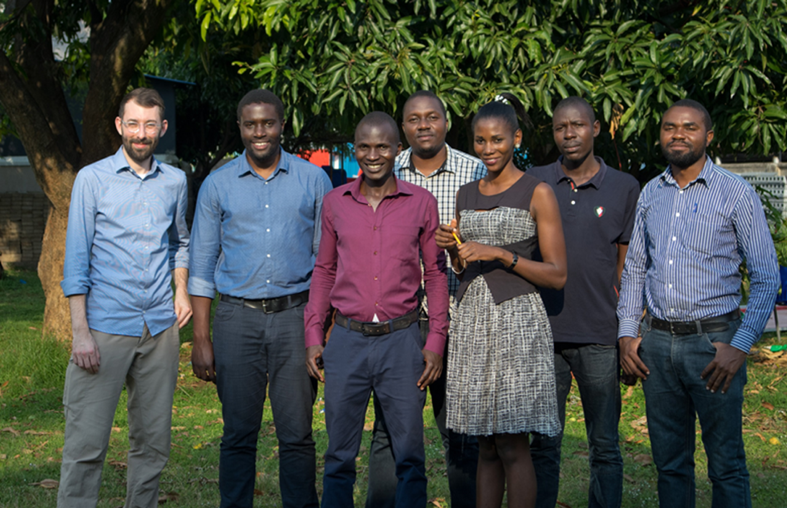
In another collaboration, Caeleste’s expertise in low noise charge sensing circuits, originally acquired in the development of deep cryogenic ROICs for long wavelength infrared imaging, led it to work with Californian medical technology start-up Paradromics. The collaboration led to a fundamental shift in the field of brain computer interfaces with the development of a sensor that allows electrodes to be implanted into the brain at higher density than previously possible without causing thermal damage to the neural tissue. In addition, the sensor successfully deals with an extremely challenging noise requirement to be able to read the neuron potentials.
Solutions of this type cannot be purchased off the shelf but instead need to be developed by a team with the expertise and confidence to pursue challenging goals. This is where craftsmanship and passion for finding technological solutions were crucial for the project’s success.

Sensors have to be designed to complement the overall system. Often that system benefits from being optimised as its design impacts the amount and nature of image processing, on-chip, within the system and downstream. Design choices will need to take account of any operational requirements such as low noise, low power, high speed and/or high or cryogenic temperatures. Caeleste’s know-how and IP enables it to balance these requirements and design sensors for a variety of medical applications such as ophthalmology, dental and mammographic imaging.
The TTPO's funding for demonstration activities aim at proving the relevance of transferring a given technology or know-how into the non-space context, reducing the technical risk and confirming the market opportunity. An annual open call invites the submission of proposals from industry for Feasibility Studies, Proof of Concepts and Demonstrators. These have been designed as a funnel of activities, de-risking the activities on a step-by-step basis. More information can be found here.
ESA Space Solutions is the go-to-place for great business ideas involving space in all areas of society and economy. Our mission is to support entrepreneurs in Europe in the development of business using satellite applications and space technology to improve everyday life. Funding typically ranges from 50KEuro to 2MEuro and supports everything from early stage incubation programs, feasibility studies to large-scale demonstration projects.
Offering ultrasound, laryngoscopy and electrocardiogram among other features, the Tempus Pro devices allow operators to quickly check a patient’s vital parameters such as heartrate, blood pressure, respiration rate and temperature, before transmitting these to medical colleagues elsewhere. This can be done via a secure satellite link or phone network such as 4G.
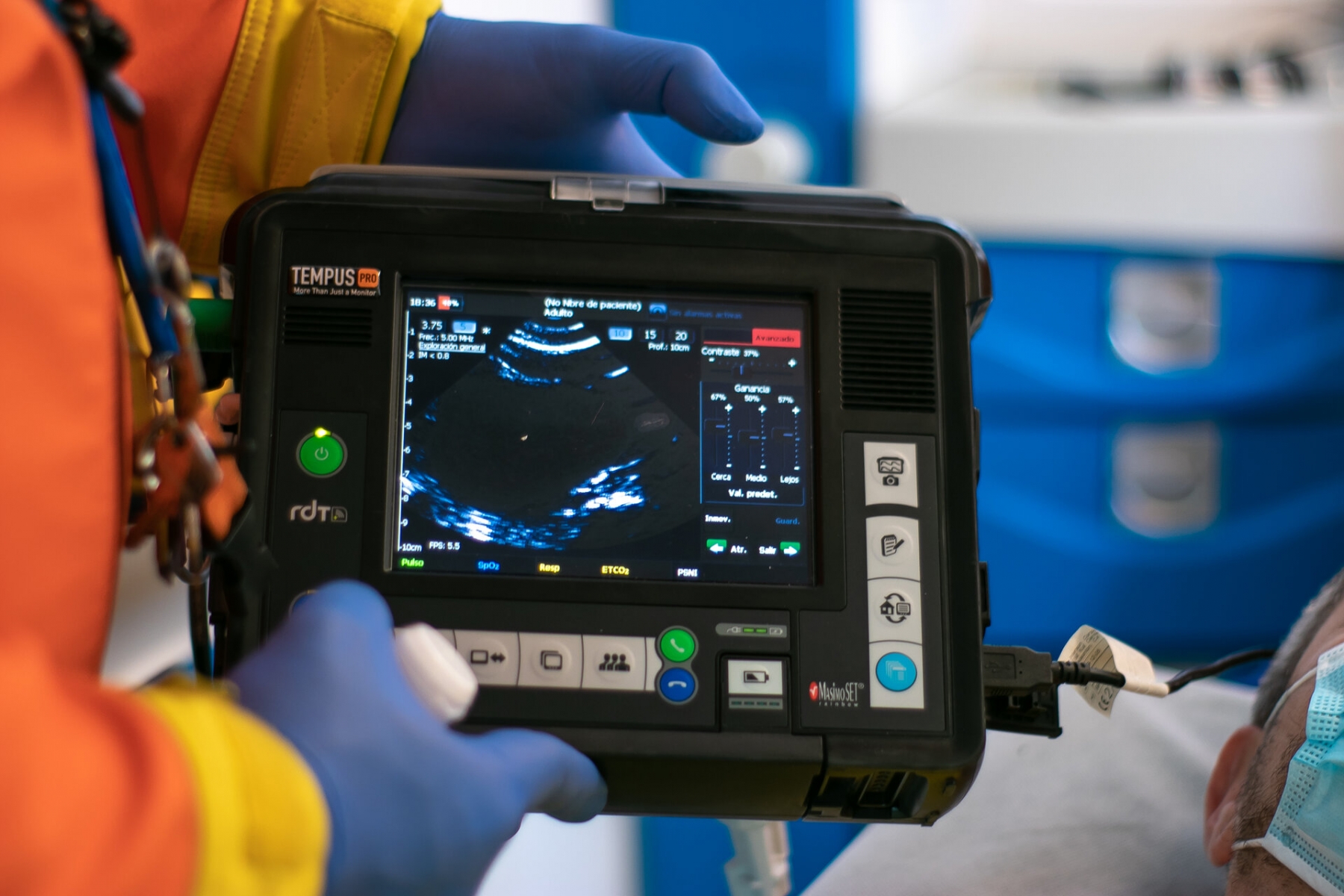
In its first version, Tempus Pro was designed as a telemedicine device for commercial airlines. It has been further supported by ESA to become a dual-use, lightweight, all-in-one monitor with telemedicine capabilities for healthcare professionals.
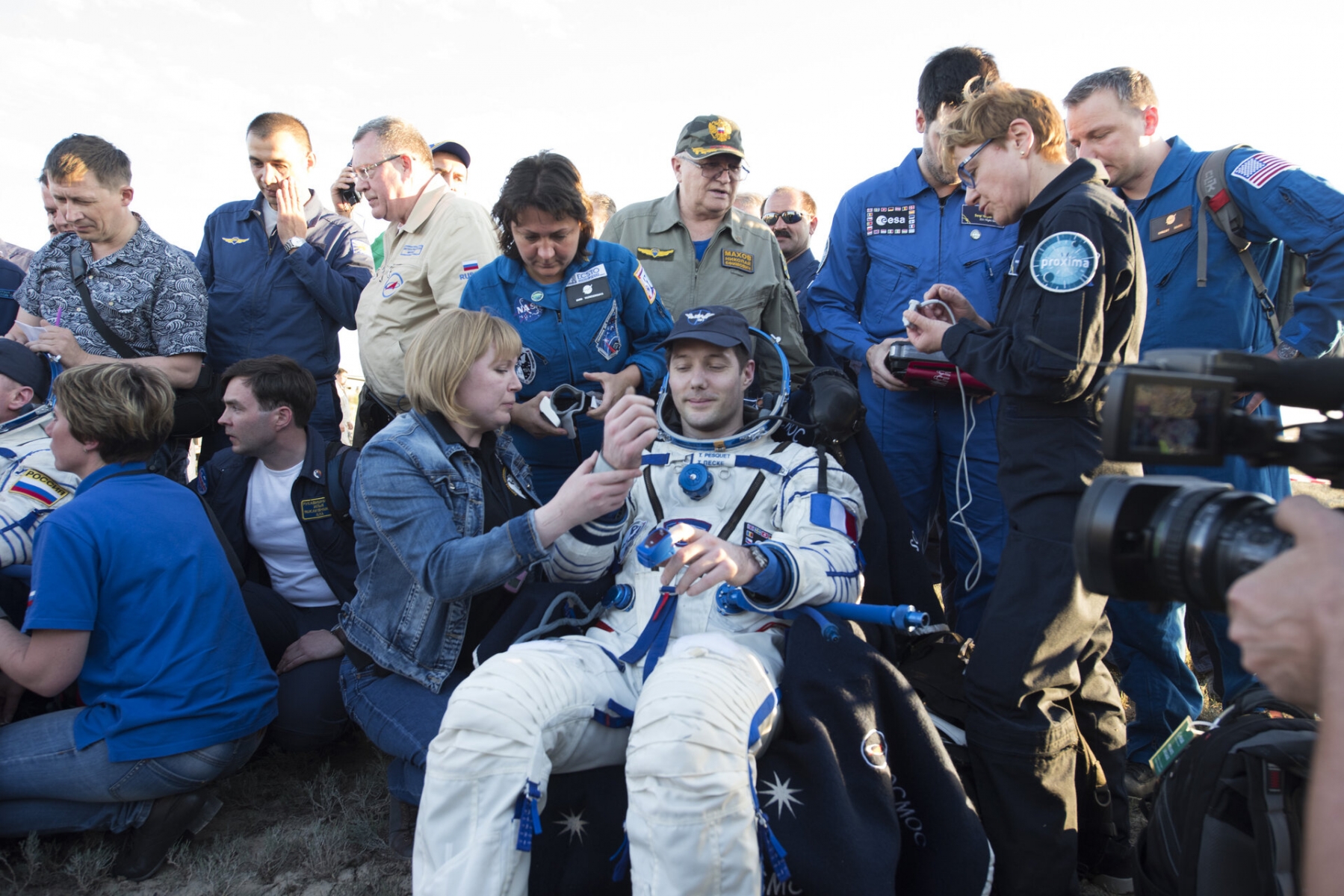
The two Tempus devices currently on loan to Catalonia’s emergency medical service Sistema d’Emergències Mèdiques (SEM), are used by doctors at ESA’s European Astronaut Centre (EAC) to assess and communicate the condition of astronauts when they return to Earth. They are already being praised for simplicity and connectivity by emergency responders in Barcelona.
Spain is one of the countries hardest hit by the current COVID-19 pandemic. At the time of writing, 47 755 cases of coronavirus had been recorded in Catalonia alone, putting additional pressure on emergency teams.
ESA flight surgeon Sergi Vaquer Araujo and medical projects engineer Roger Huerta Lluch say loaning the devices to SEM for the duration of the COVID-19 response was an easy decision. After a successful training, carried out remotely from ESA’s European Astronaut Centre in Cologne, Germany, they are pleased to see Tempus Pro in action where it is needed most.
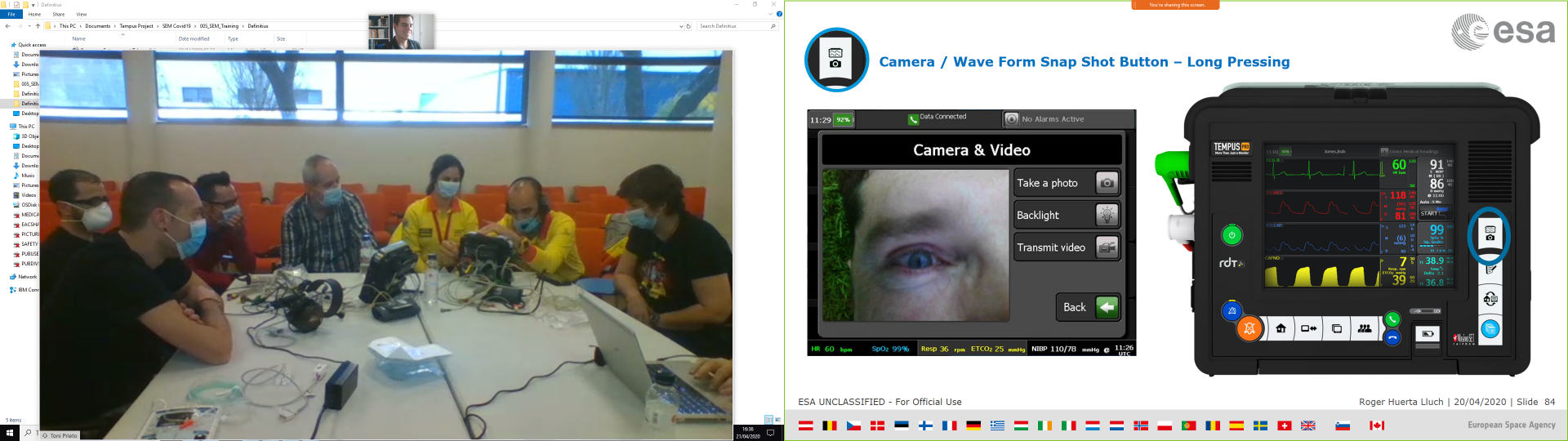
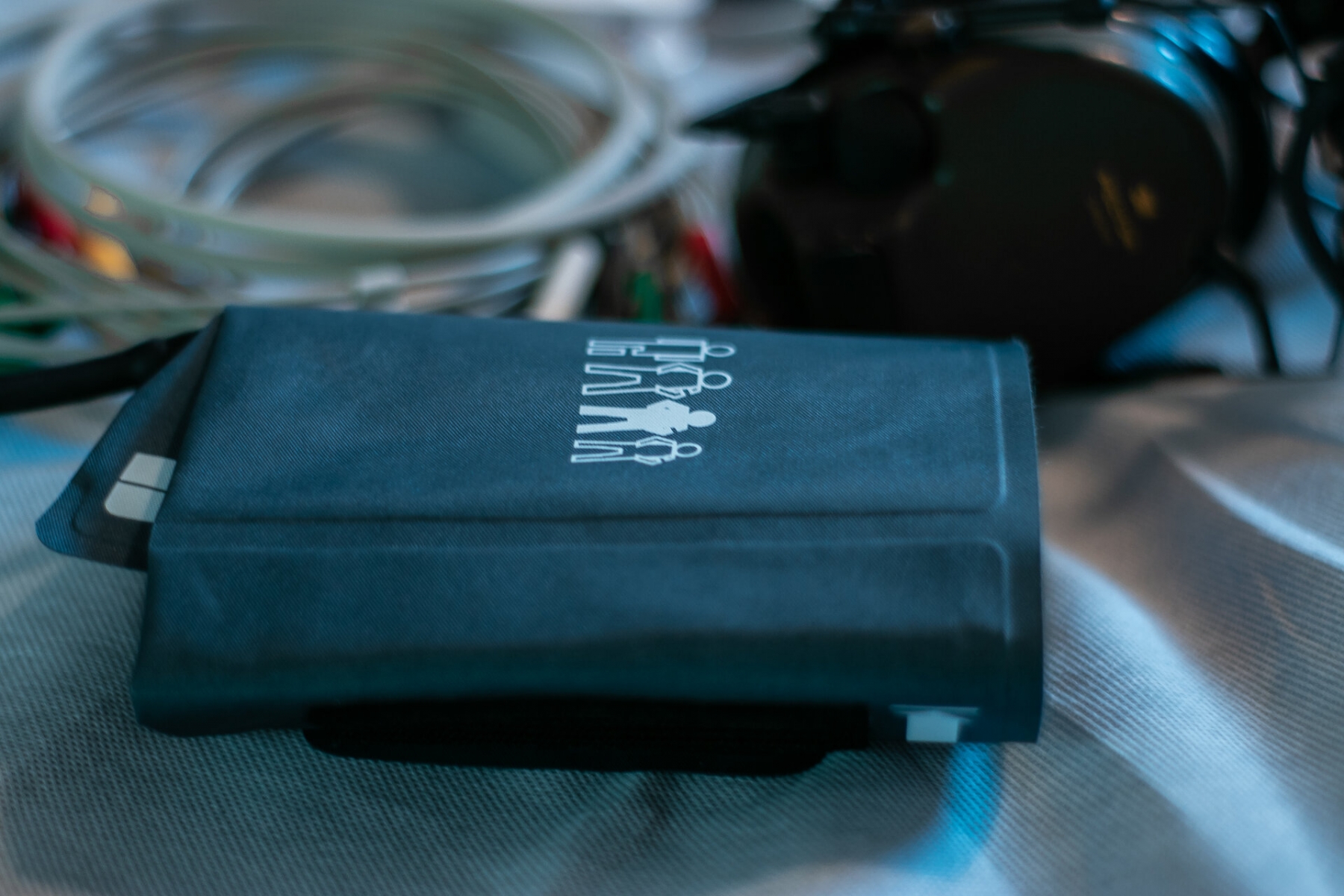
“The two Tempus devices have been deployed in what are known as intermediate ambulances,” Sergi explains. “Each of these ambulances is staffed by a nurse and a paramedic who receive medical support from an intensive care specialist remotely. The addition of Tempus enables these teams to take care of the most severe patients and deliver a higher level of care without having to have a doctor there.”
This is supported by ESA instrumentation engineer Arnaud Runge who supervised the development of Tempus Pro by UK-based Remote Diagnostic Technologies (RDT) under ESA’s Business Applications programme.
“RDT has reported an increase of orders throughout the COVID-19 crisis with many citing the ability to deliver senior expertise remotely, without doctors being limited to one vehicle or directly exposed to the COVID-19 environment, as instrumental in their response. Space is proving again its importance in our daily life” he adds.
Registered nurse specialising in emergency and critical care Borja Violant Gomez is part of the SEM team now working with Tempus in Barcelona. For him, its benefits are threefold: simplicity, operability and connectivity.
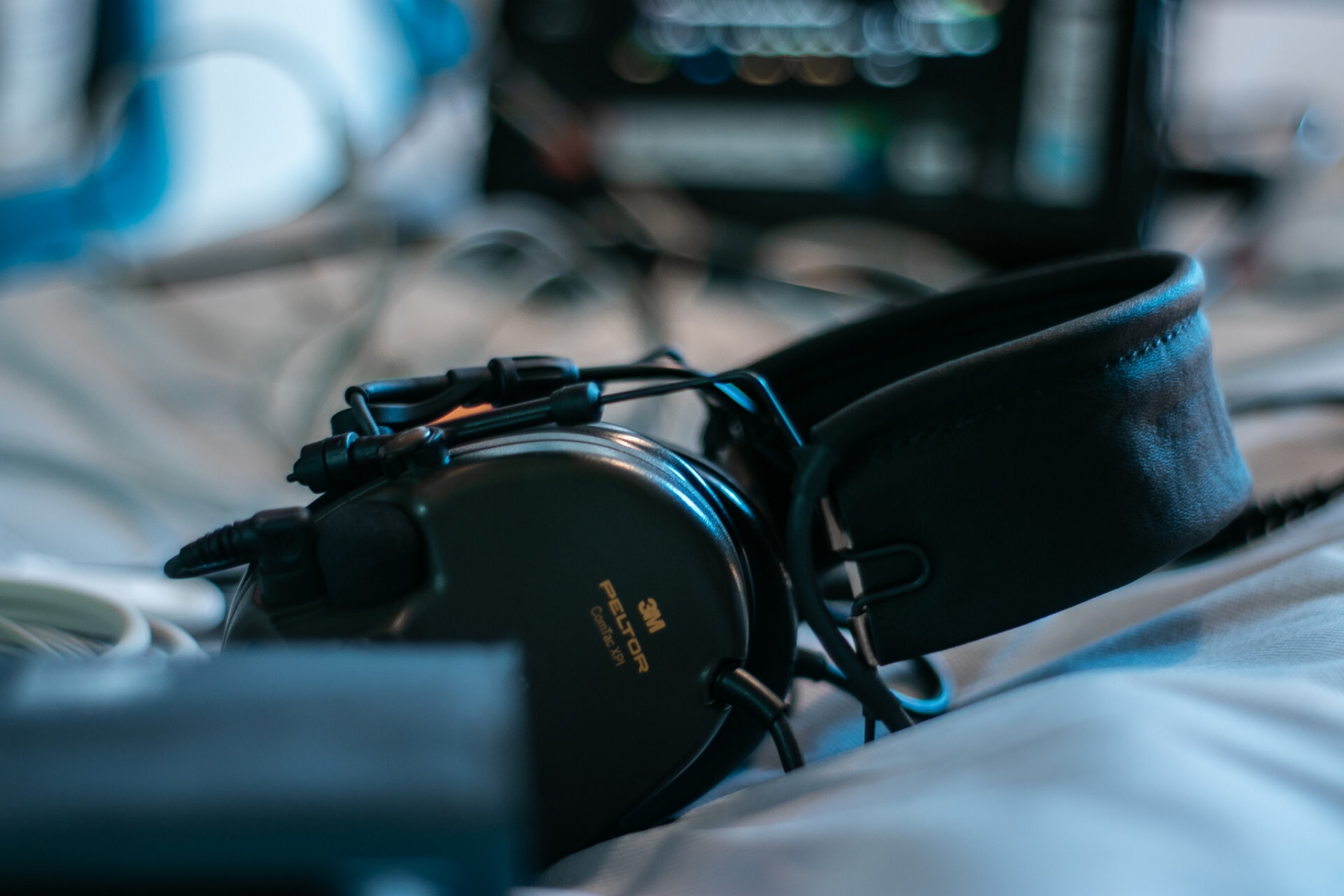
“We always say that in emergencies, the small details can make the biggest difference,” Borja says. “Performing a tracheal intubation in a surgery room is very different to carrying out the same procedure in a crashed car with a trapped victim, for example. Any simplification and reduction in the weight in size of essential medical equipment allows for better care in hostile environments.”
Borja also commends the device’s intuitive interface, as easy to learn and operate: “our daily work often involves buying time until we can get a diagnosis and treatment. Due to the critical nature of our patients, any time we can save increases a patient’s chance of survival. In the case of a heart attack, an early and clear electrocardiogram is essential to providing the best care and Tempus allows us to do this.”
The Tempus Pro devices are on loan to SEM for an initial three-month period, during which time they will be evaluated by the emergency medical service’s professional team.
Though the current need was not deemed as urgent as in Spain, ESA is also exploring the potential for Tempus Pro devices to be used in Cologne, Germany – home to the European Astronaut Centre.
It is an action supported by the city’s vice mayor Ralf Heinen who says, “In these difficult times, any support through medical equipment is valuable. I am therefore pleased that the EAC was able to help our twin city Barcelona, which was particularly hard hit by the Corona pandemic. This is the very best of European solidarity in action."
October, 2 / 2026
October, 2 / 2026
October, 2 / 2026


