

Space-enabled monitoring crucial for the safe decommissioning of offshore oil and gas assets
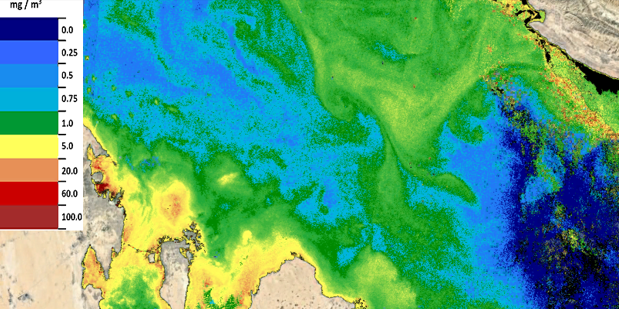
More than USD103 billion is expected to be spent on offshore decommissioning globally between 2025 and 2034, with oil and gas facilities built in the 70s coming to the end of their lifecycles, drilling sites being moved to avoid over-pumping and the energy transition gaining momentum. As this work ramps up, comprehensive and cost-effective monitoring tools are needed - this is where DECOM comes in. Developed by Norwegian-based KSAT with support from ESA’s Business Applications and Space Solutions (BASS), DECOM is a space-enabled solution providing fast, targeted and proactive monitoring data, helping oil and gas operators, and regulators assess and limit environmental impacts effectively.
At the same time, we are seeing increasing regulation and mandatory reporting, together with a deeper and growing understanding of environmental impacts and their domino-effects.
“We have known this was coming for a while, so we are now ready with DECOM to provide regulators, and oil and gas companies with the monitoring they will need before, during and after decommissioning, to ensure they follow environmental regulations, and also ensure the health and safety of their personnel,” said Georgia Karadimou from KSAT.
Using Earth observation data, the goal of DECOM is to provide more actionable information so oil and gas operators working offshore can reliably monitor sites and as well as respond to any irregular findings.
The service offers four components:
- Oil spill detection and identification
- Vessel detection and tracking
- Water quality and debris mapping
- Emissions monitoring
 While these services can be bought individually, DECOM’s unique selling point is the ability to offer consolidated solutions to give more insights than independent reporting services can – and to do so fast. This helps provide peace of mind, but also when things do go wrong it is a valuable tool to ensure compliance, fast response times and better understanding of liability.
“Once a site has been decommissioned, parts of the facilities can remain in situ underwater, forming their own ecosystems. It is important to keep monitoring them, either to confirm via regular reports that there is no problem – or when there is a problem, to quickly not only identify the issue but also its nature and source, and who is responsible and liable,” explained Ms Karadimou. “Time critical information is a priority, especially in emergency situations – and that is something that we can deliver with a huge range of Earth observation data.”
With the support of ESA BASS, DECOM has gone from strength to strength, achieving commercial success in Europe and beyond, and establishing new partnerships, as well as helping regulators understand the need and urgency for better legislation and monitoring.
“Having ESA’s support has been invaluable in helping us test and validate our service, and in building our networks – it has been a real springboard for success,” said Ms Karadimou.
Marion Allayioti, Applications Engineer for BASS, said: “DECOM clearly demonstrates how space-enabled services can support the energy sector in managing the growing challenge of offshore decommissioning. By delivering continuous, wide-area monitoring, it reduces reliance on costly offshore inspections, improves response times, and helps operators and regulators ensure compliance throughout the asset lifecycle. This is exactly the type of impact we aim to achieve through BASS.”
She was echoed by Maria Helene Kalkvik from the Norwegian Space Agency, who added: “The DECOM service developed by KSAT shows great potential in developing scalable commercial services through ESA BASS. We are happy to see new space-based services being developed from Norwegian industry, that are both positive contributions to climate and the environment, as well as useful to society for both private industry and public sector customers."

 During the event, Rita Rinaldo and Liz Barrow, Business Applications and Partnerships Officer at ESA, hosted an interactive roundtable session, ‘How space technologies can help mitigate threats to society,’ bringing together stakeholders to explore how space-based technologies can support resilience (particularly in climate, infrastructure and supply chains). Space is no longer seen as a standalone industry, but a critical layer of economic and technological infrastructure underpinning modern society. During the conversation, a number of recurring themes emerged. These included:
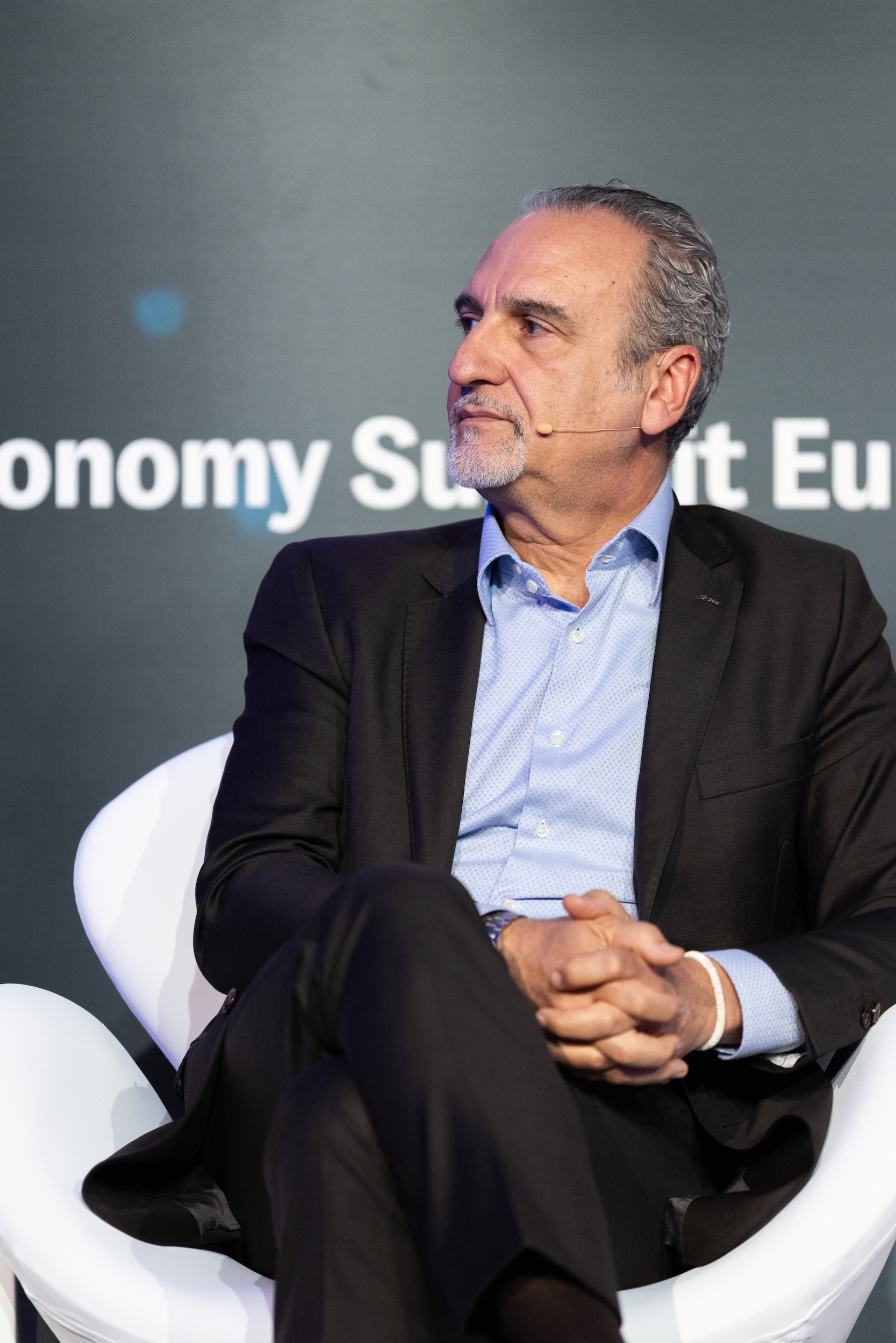 Andrea Vena, ESA Chief Sustainability Officer, was part of the ‘Responsible in orbit, sustainable on Earth: can space power Europe’s climate transition?’ panel at the event. With Europe already placing responsible space activity as central to its policy narrative, and satellite data already feeding into pilot projects in methane detection, deforestation monitoring, grid resilience and flood-risk mapping, the focus of the discussion was again around implementation and how to integrate this into core climate infrastructure to drive improvements at scale.
 The statistics around water are stark. According to the United Nations, roughly half the world’s population face severe water scarcity for at least part of the year, 2.1bn people live without access to clean drinking water and 3.5bn do not have access to safely managed sanitation. All this against a backdrop of increased demand, diminishing supply and increased frequency and severity of droughts and floods as a result of climate change.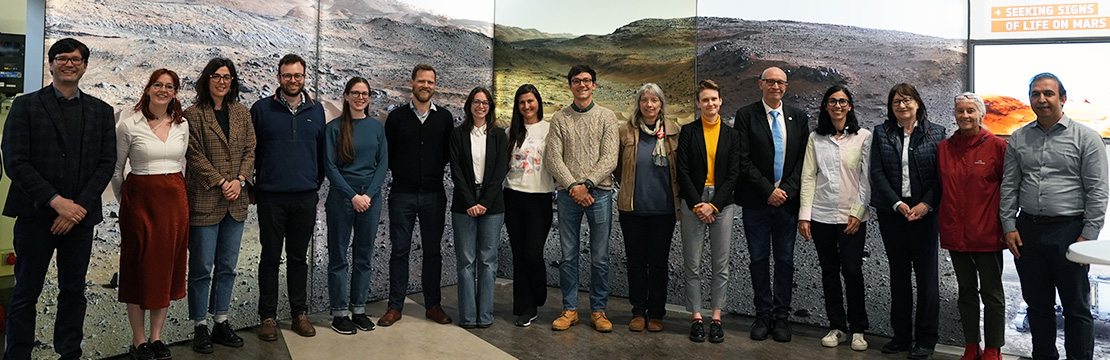

 Closing the event, Nick Appleyard, Head of ESA’s new ACCESS programme, said “Water is essential to life on Earth and the challenges – not enough water, too much water, and water quality – are increasing. This is the first Water Day we have held at ESA and I hope it will be the first of many, as we work together in looking to space to find innovative solutions to these challenges.”