 As cinema owners worldwide begin to embrace new digital technologies via satellite, audiences are being given more ways to enjoy an evening at the movies.
The emergence of new digital technologies and standards has paved the way for innovative and cost effective solutions for cinemas. The transition from analogue to digital has been recently boosted by innovative formats (e.g. 3D movies) and by the increasing demand for live and interactive events (e.g. sport, operas, virtual theatres, seminars) hosted in cinema theatres.
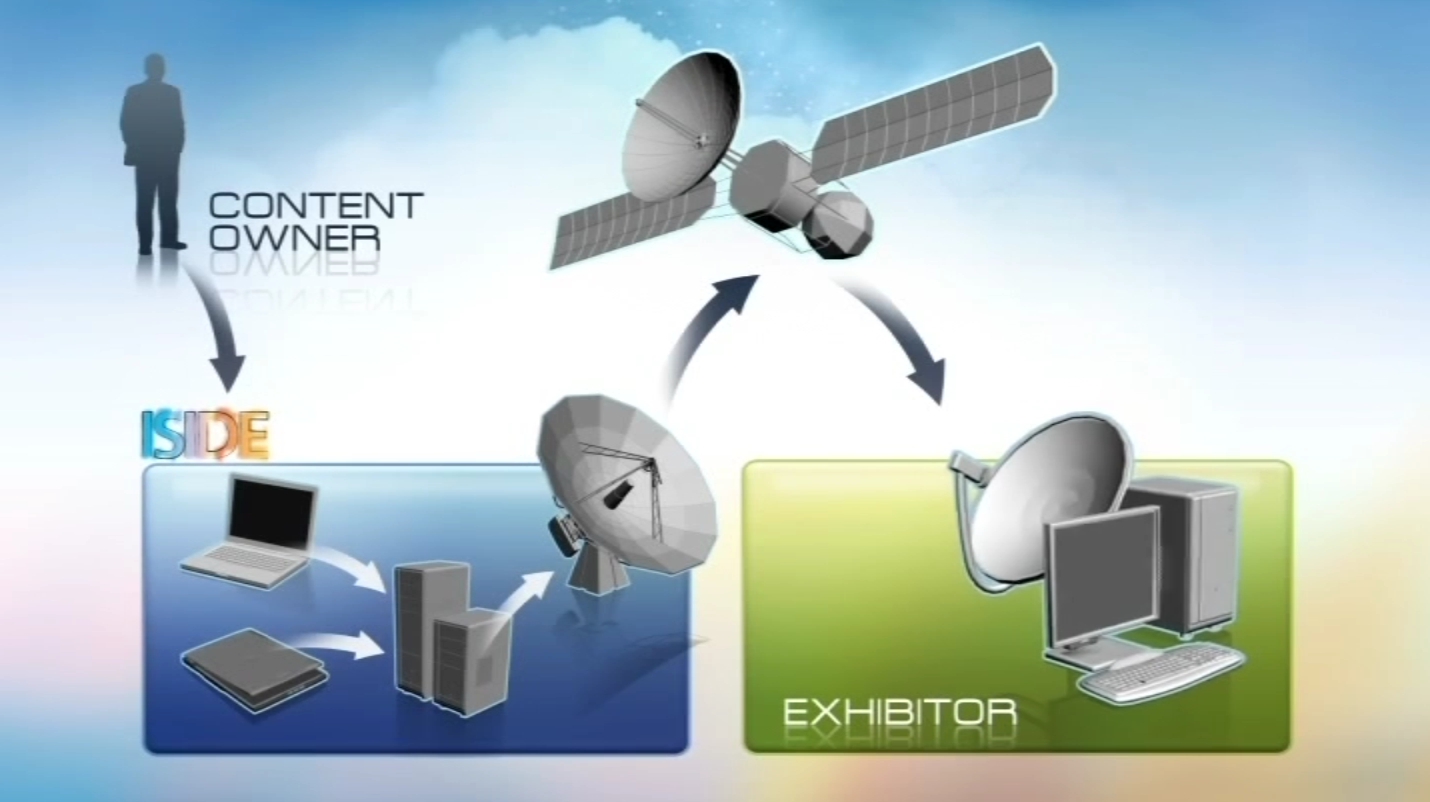
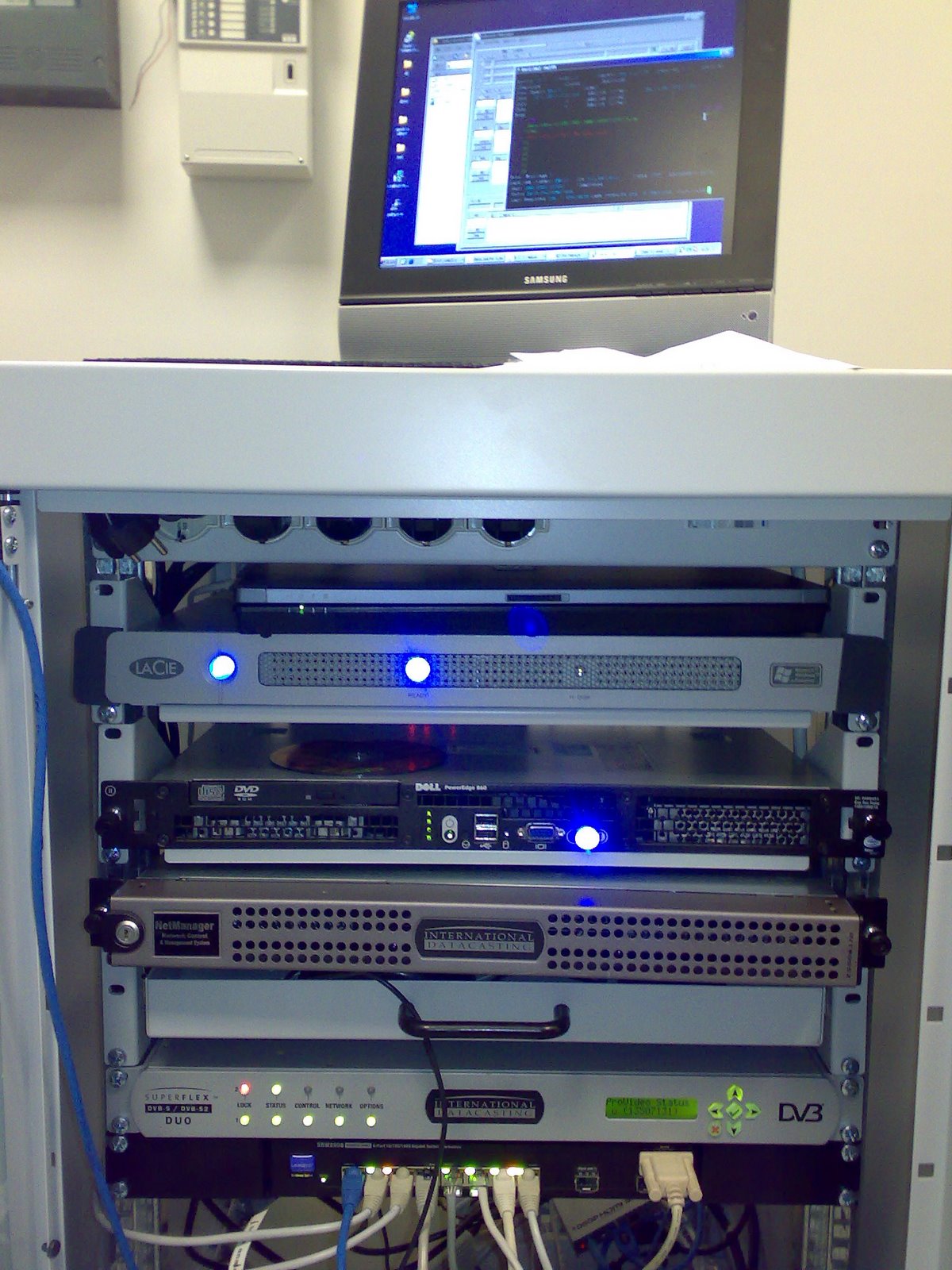
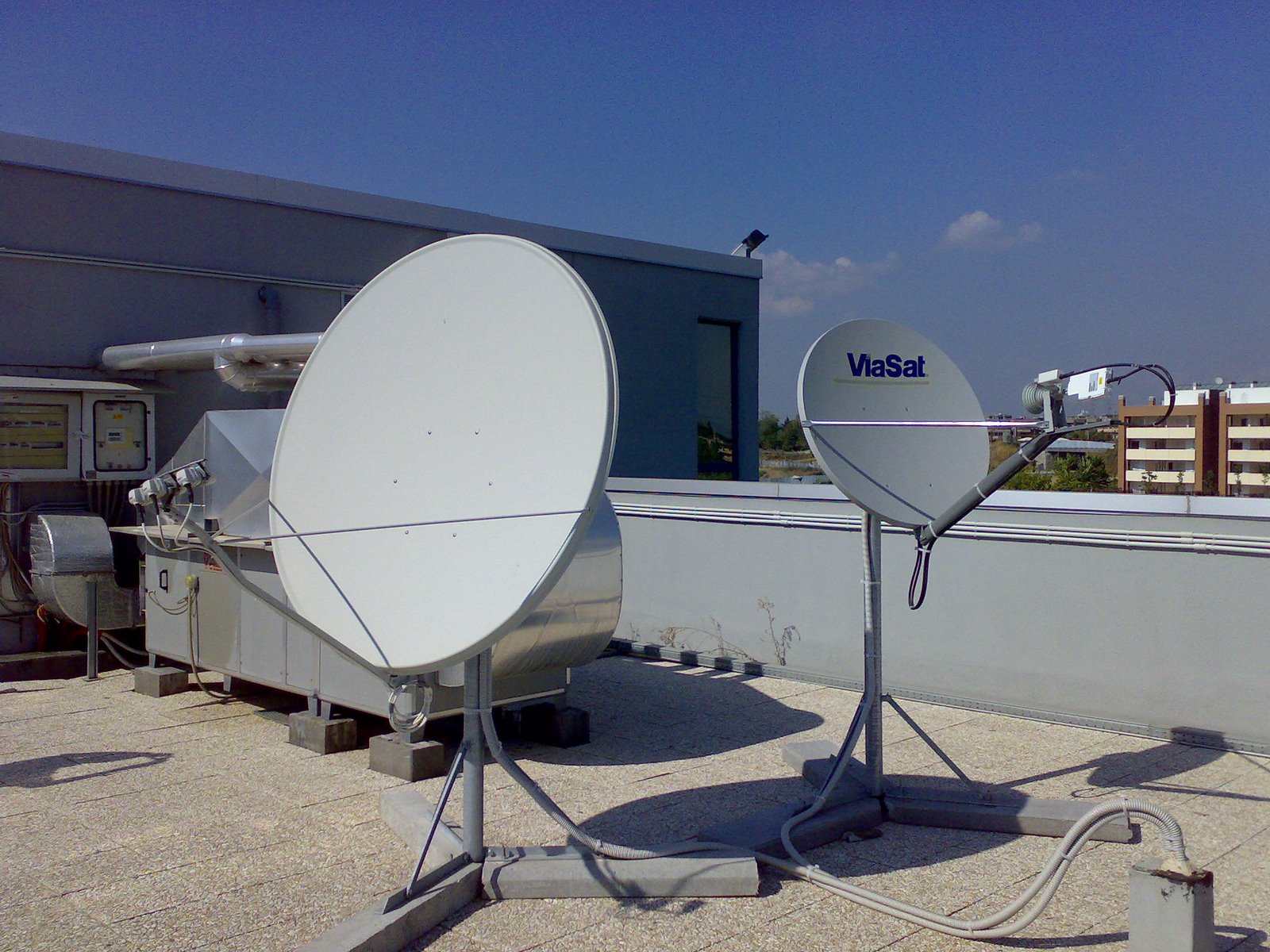
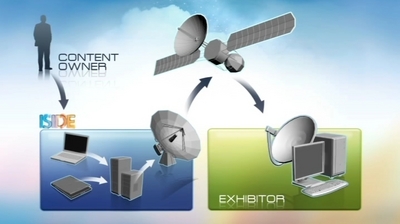
Through the ESA ARTES Applications programme, a secure, cost effective system enabling cinemas owners to receive movies via satellite has been developed by a consortium composed of Italian companies (Microcinema, OpenSky, Skylogic, Digital Pictures, with the support of the Business Incubator Centre BIC Lazio in Rome). Thanks to this new system known as ISIDE (Innovative Satellite Interactive Digital Entertainment), cinema operators can now browse a content catalogue of hundreds of movies, and perform the orders on-line.
 But it is not only traditional movies that are being shown in today.s cinema theatres. The evolution of digital and electronic cinema has brought new forms of entertainment with it, such as movies in 3D, interactive events and virtual theatre. Through the ISIDE network, a virtual theatre event was set up and successfully demonstrated, putting together in the same virtual stage two groups of actors, one located in Rome and one in Burkina Faso (West Africa).
 However, satellite capacity is a very valuable and expensive resource. In order to make the distribution via satellite effective, the same content has to reach a sufficient number of cinemas. This is especially true for top quality digital standards such as DCI (Digital Cinema Initiatives), which involves high volume of data (one single movie can exceed 200 GBytes) and high transmission rates (up to 100Mbit/s). ISIDE brings the convenience of satellite technology within reach. When multiple locations in the network download a film, the costs of satellite capacity are shared among them.
Today, Microcinema, with more than 200 cinemas connected in a bidirectional satellite VPN, has become a leader in Italy for providing film, audovisual content, live opera from Italian and European theatres as well as cultural events such as music concerts, theatre performances and premieres. Microcinema distributes two or three live events per month, plus one or two flims per week.
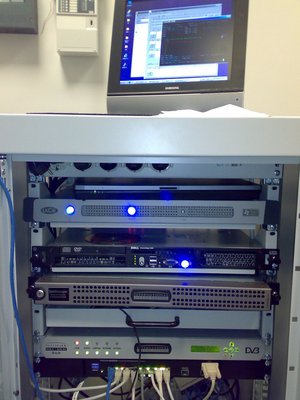
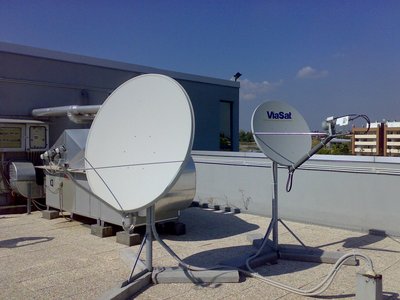
OpenSky mainly provides for the delivery of DCI movies from major Hollywood Studios and the distribution of live events to more than 600 cinemas spread throughout Italy, France, Germany and Spain. Most of the cinemas are equipped with the state-of-the-art professional receivers and projectors.
 .The opportunity provided by the ISIDE project has been very instrumental to Microcinema, as it occurred when the company started to approach the market proposing possible satellite services,. explains Silvana Molino from Microcinema. .The successful pilot phase of the system, developed and tuned in 2010 during the ISIDE project, proved to be fundamental for cinemas owners. persuasion..
According to Walter Munarini from OpenSky: "The ISIDE project was fundamental to Opensky to implement the first European network of digital cinema capable of receiving satellite services like the live events and movies via satellite, as well as its evolution to live 3D events."
For more information visit the project web page.


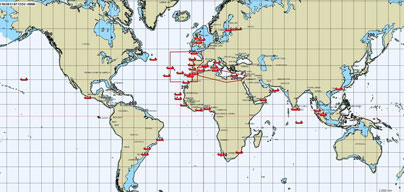 Selected offshore vessels within EU waters and beyond are now in sight of EU customs officials as an ESA demonstration project, in support to the European Maritime Safety Agencyâs Blue Belt pilot project, gets fully underway.
 IAP is pleased to announce the start-up of the Ambassador Platform for Dual-Use Space-based Services (APDUSS). The Ambassador Platform will be managed by the Office of the Advisor for Aerospace Activities in the Italian Ministry of Defence. The main objective will be to assist the IAP programme in spreading awareness for potential stakeholders in ESAâs IAP programme in the field of dual-use.
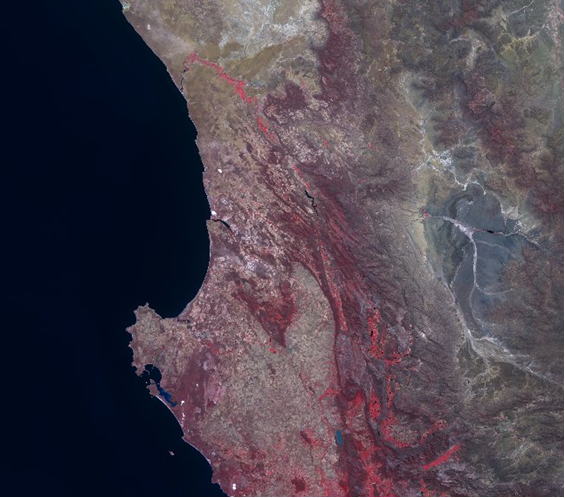
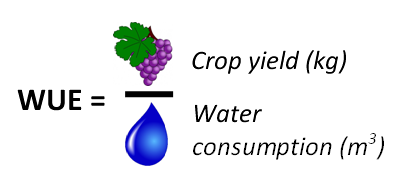
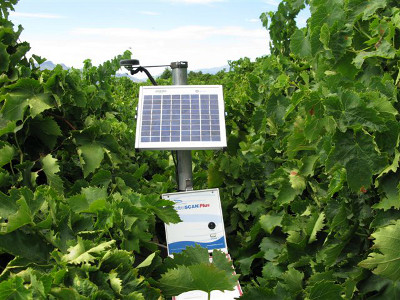
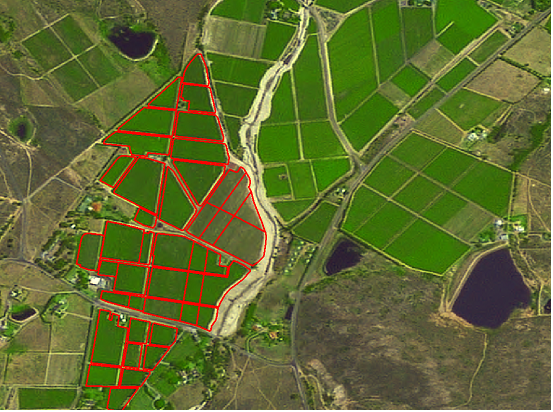
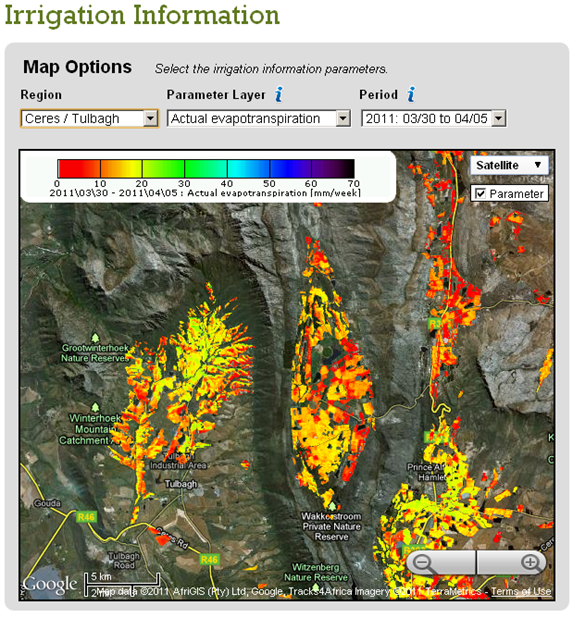
 This workshop covered four sessions followed by lively plenary discussions: Space and Climate Change, Space for Food and Water, Space for Health and Space for Environment.
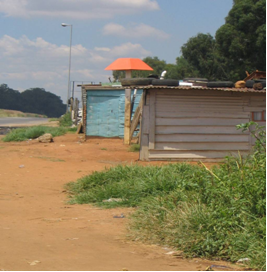 Mr. Neo Modise, a user representative from SASOL Gas in Johannesburg, clearly illustrated the need for improved and more efficient monitoring of pipelines integrity and related threats (
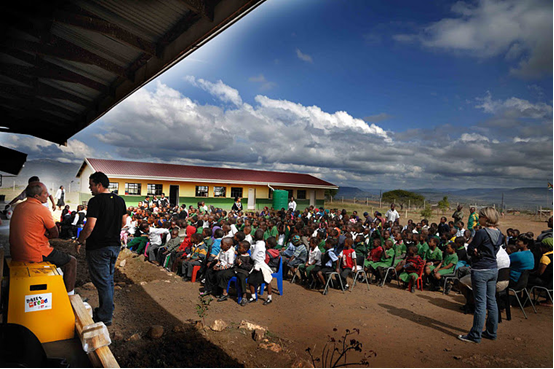 In the session for Integrated Application Tools (B5.2), Prof. Dr. Alexander Horsch (Institute for Medical Statistics) stressed the importance of e-Health to save lives and detailed IAP.s newly started programme e-Health for 48 countries of Sub-Saharan Africa. Finally, the presentation of the
  The report
.JPG "Photo 1")