

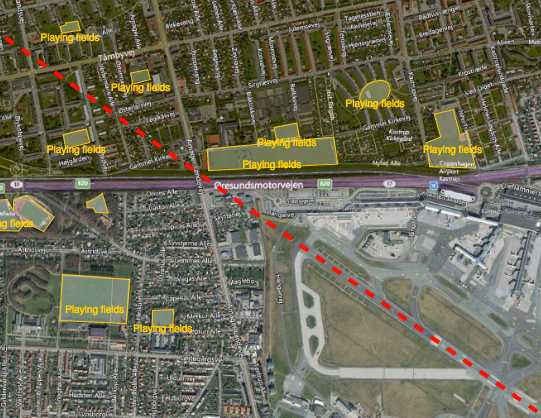
Reducing the risk of bird strikes using satellite images and Ascend’s Normalised Difference Water index software (NDWI)







BROWSE PROJECTS
Based on user needs and industry skills, the evolution of customized solutions and the establishment of innovative services is accomplished through project activities. Focusing on various thematic areas, relevant information on the project activities is provided below.

ASAP-FS
Status date: 16 April 2015
The ASAP service aims to deliver in a ‘one-stop-shop’ approach reliable information to actors in the Polish agricultural market to optimize the production, reduce input costs, and increase income. The service aims to deliver information on condition and status of vegetation, soil moisture and surface temperature, data for fertilization and amount of fertilizers, condition of vegetation before and after winter (frozen vegetation).

iVOICE
Status date: 17 September 2015
This study evaluates improvements to existing voice analysis technology. It is coupled with high fidelity communications signal and GNSS data, aiming to detect situations of mental strain and fatigue in operators. With the aim of offering a new technology – iVOICE, integrated VOIce analysis via satellite Communications Embedded in time and safety-critical environment. It also investigates the potential to develop services linked to high-risk and high-stress environments or dislocated domains, including heavy equipment operation, ground and air transportation for private and commercial use, as well as applications for future use in distributed health care for remotely living populations and peace-keeping communication and navigation services.
HV-SATPROTEC
Status date: 16 September 2015
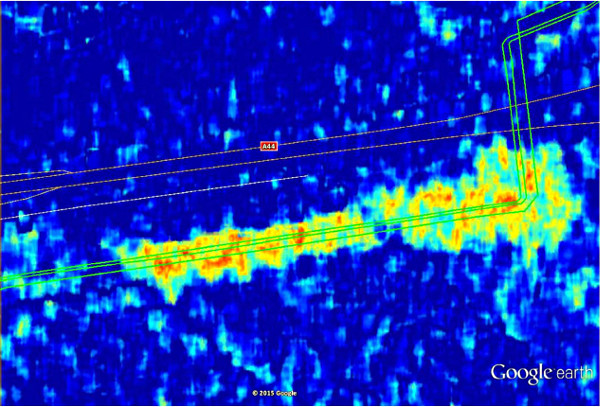
Feasibility study on new electricity infrastructure management services using space assets
SAPI&NS
Status date: 16 September 2015
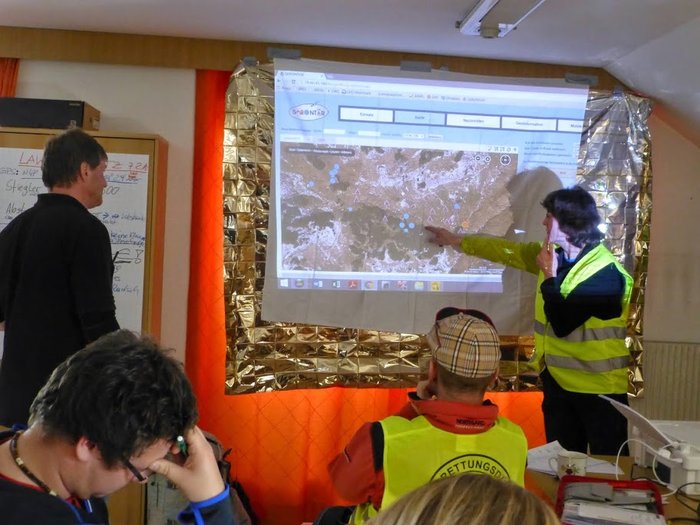
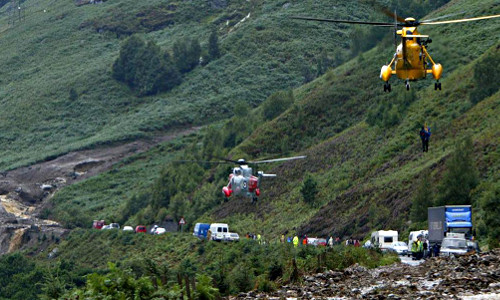
The SAPI&NS study aims to improve the effectiveness of Search And Rescue operations for civil and military operators (so-called dual use). With satellite communication and satellite navigation, the involved personnel and vehicles (esp. helicopters and boats) can be tracked and status information can be collected.
The solution is conceived to be used across different scenarios (air, ground, sea) and will next to tracking services also offer tools for management and coordination of operations.
SharperSat
Status date: 31 August 2015
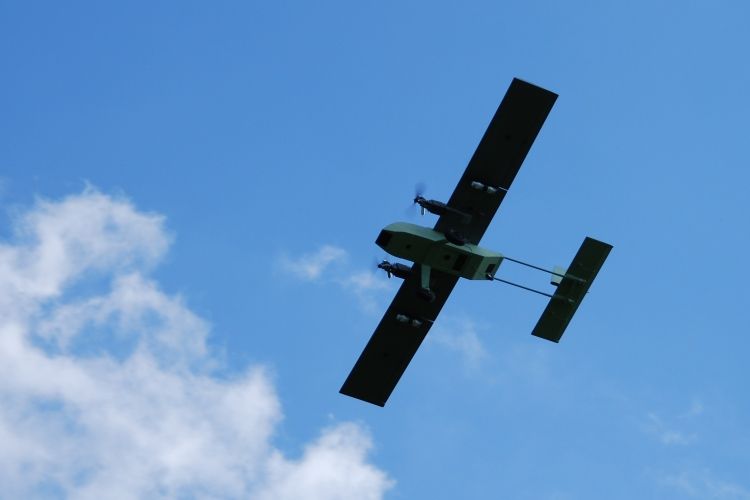
With the support of ESA, Finnish company Sharper Shape Ltd is developing innovative services for the improvement of maintenance and recovery of high voltage electricity transportation infrastructure using SatEO, GNSS data and Unmanned Aerial Vehicles.

Low Cost Hybrid Terminal Triple Play Solution
Status date: 18 August 2015
The aim of the project is to develop a low cost end-to-end solution for satellite based triple-play services. The platform uses existing infrastructure to enable TV, telephone and IP communication. Satellites are used for downlink communication and different terrestrial media are used for the return traffic.

Forsway S2
Status date: 18 August 2015
The objective of this project is to develop a Satellite modem for Internet access in rural areas using DVB-S2 technology. The product is intended to complement existing ADSL terrestrial based solutions. Where it is too expensive and /or too time consuming to get a terrestrial infrastructure for broadband, the Forsway modem offers a cost effective, easy to use solution to access the Internet based on satellite DVBS2 distribution associated with a multi-standard terrestrial return link.

Mimir 2.0
Status date: 18 August 2015
The project will continue the development of the Mímir server, Forsway’s solution for satellite hubs providing one-way Internet over satellite. The product will be extended to be a usable component in all types of one-way Internet over satellite deployments, covering deployments from small ISPs with a few hundred users to the largest operators with high performance multi-transponder services covering several million users.
SAFETREE
Status date: 05 August 2015
Satellite Support to Forest Fires Airborne Patrol (SAFETREE) aims at improving efficiency of the airborne patrols within the Airborne Fire-fighting Service (AFS) that secure the forest fire prevention in the Czech Republic. SAFETREE service is designed to support AFS in the decision making on airborne patrol dispatch and routing based on integration of Earth Observation and Satellite Navigation technologies.

LeCross
Status date: 10 September 2014
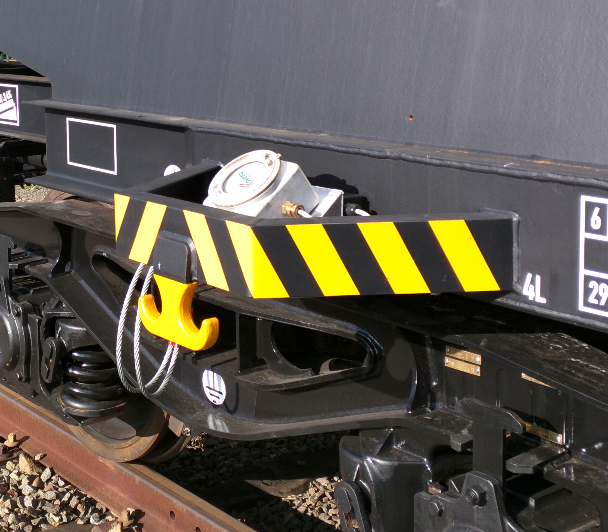
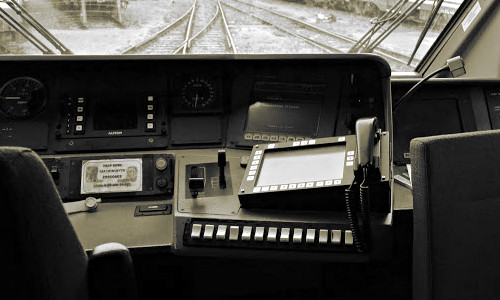
The LeCross study assessed the added value and feasibility of an integrated service solution to improve safety at railway level crossings through the use of added-value space-based technologies, systems and capabilities.

eHSA, Study on Sustainability, Liability & Business Aspects
Status date: 29 January 2015
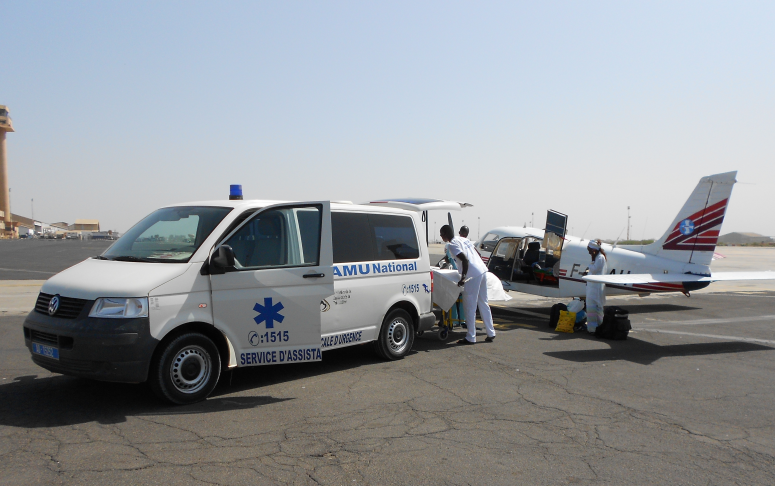
Sub-Saharan Africa, characterized by its extensive rural populations with little or no access to conventional healthcare, renders eHealth a potentially effective solution for the provision of healthcare. The goal of the eHealth for Sub-Saharan Africa (eHSA) programme is the development of pan-African eHealth services, enabled by satellite telecommunications, to expand healthcare access for rural African populations.
Arctic IAP
Status date: 08 July 2015
Telespazio VEGA UK are developing a range of value-added services using layers of geo-information and commercial data that can be customised to the needs of specific operators. The services include primarily satellite derived imagery VMS (24/7 Vessel Monitoring System) from the Telespazio Group, AIS (Automatic Identification System) provided by Canadian consortium member exactEarth Europe Ltd, and low bandwidth high fidelity image transfer system AnsuR, a Norwegian company.
Maritime expertise and access to the market through Marine South East and additional maritime data layers are provided by Stevenson Astrosat and HR Wallingford.
This solution presents a viable Arctic Integrated Situational Awareness Service building upon existing operational or semi-operational services provided by consortium members, and adding additional features believed to be of value to the user community that will help to differentiate and ensure the success of the service.