


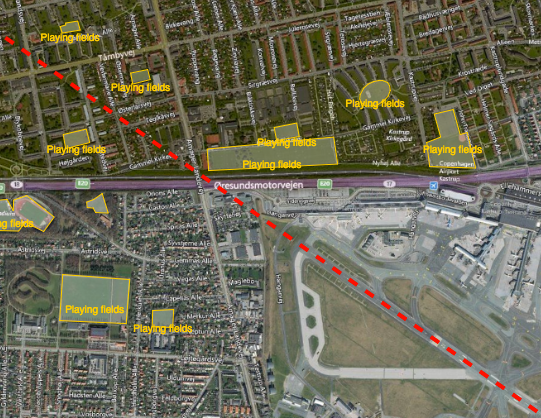
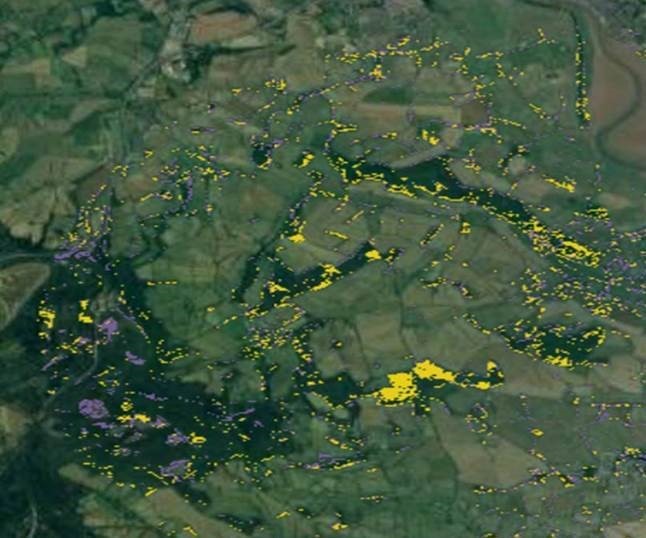
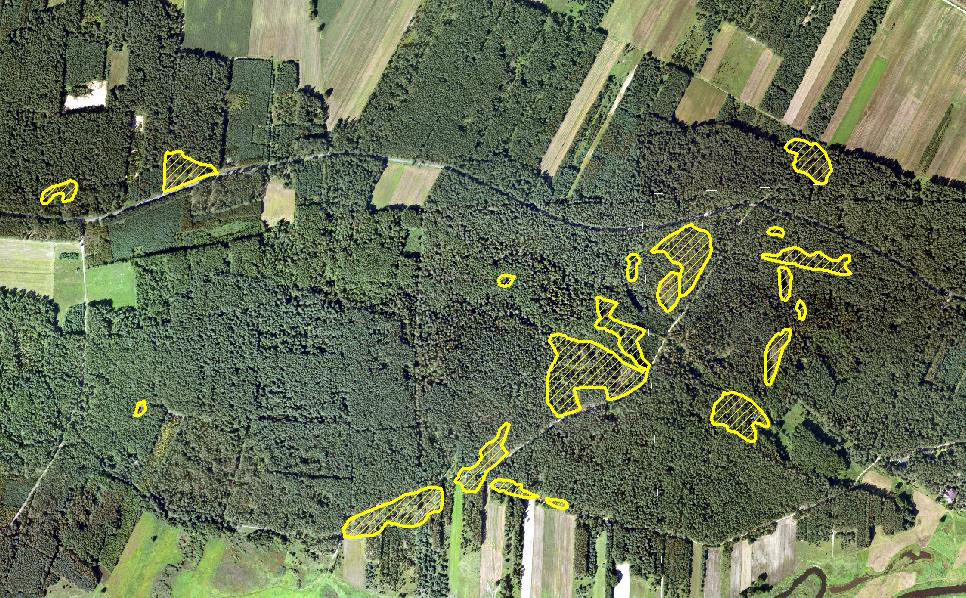
Reducing the risk of bird strikes using satellite images and Ascend’s Normalised Difference Water index software (NDWI)





BROWSE PROJECTS
Based on user needs and industry skills, the evolution of customized solutions and the establishment of innovative services is accomplished through project activities. Focusing on various thematic areas, relevant information on the project activities is provided below.
EFFORS-FS
Status date: 25 August 2015
The aim of the present feasibility study is to develop an Enhanced Flood Forecasting System for Critical Infrastructures Protection in medium size Alpine catchments.The service is designed to address infrastructure located either on the river itself (e.g. bridge) or in the flood plan (e.g. a building).

Urban DRR
Status date: 18 April 2017
Applying space based solutions to save lives and critical infrastructure by reducing the risk and impact of natural disasters in urban areas.

SMART
Status date: 22 March 2017
SMART is a system that aims to provide a decision support service targeting the “early warning" of a disaster or critical event (specifically hydro-geological events) and to improve the "first response" intervention capability. The system has the advantage of strengthening the procedures used today by the Civil Protection to collect and manage the data "monitored" without interfering with the current practice.

WATERLENS
Status date: 04 September 2015
Feasibility study for new water infrastructure management services using space assets.
GeoNavCon
Status date: 09 February 2016
The objective of the study is the concept preparation for the development of integrated services based on satellite navigation, satellite communication and earth observation technologies to improve availability, accuracy and integrity of position determination, data communication and geo-information for users in remote and constrained environments in the forestry domain.

OWASIS-UK
Status date: 02 October 2015
OWASIS – UK is a Feasibility Study aiming at developing a sustainable service line improving the monitoring of water availability, quality and distribution by integrating satellite images and innovative terrestrial sensors and information technologies.
This study focuses on the UK market and it targets all types of user groups such as industrial users, public water authorities or regulatory organisms.

Salt Water Surface Water Monitoring
Status date: 16 July 2015
BlueLeg Monitor (BLM) from the Netherlands investigates the use of its proprietary remote sensing technology for water quality monitoring in aquaculture. In particular Hazardous Algal Blooms create serious damage to aquaculture by incidentally suffocating fish and the release of toxins. This tendency is expected to increase as a result of global warming and nutrients run off into surface water, as well as by transport of invasive species of algae due to the release of untreated ballast water from ocean ships.