

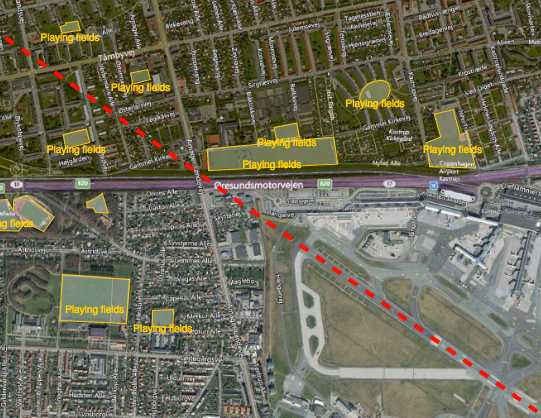
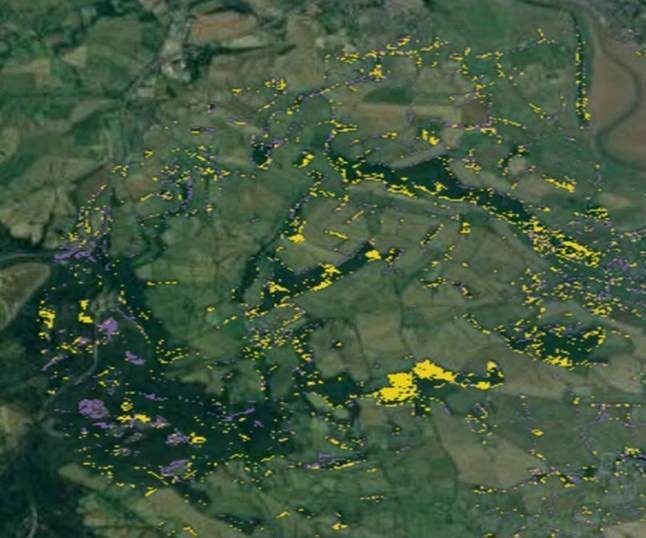
Reducing the risk of bird strikes using satellite images and Ascend’s Normalised Difference Water index software (NDWI)









BROWSE PROJECTS
Based on user needs and industry skills, the evolution of customized solutions and the establishment of innovative services is accomplished through project activities. Focusing on various thematic areas, relevant information on the project activities is provided below.

TRISS
Status date: 20 July 2016
Humans spend energy and money to plant and manage trees in their habitat. Tree information is essential to enable rational management: Tree numbers, their position, height, crown size, health, habitat condition and species are relevant to professionals managing both urban and rural environments. This feasibility study focused on satellite based services providing or updating tree information.
I-PORT
Status date: 07 September 2016
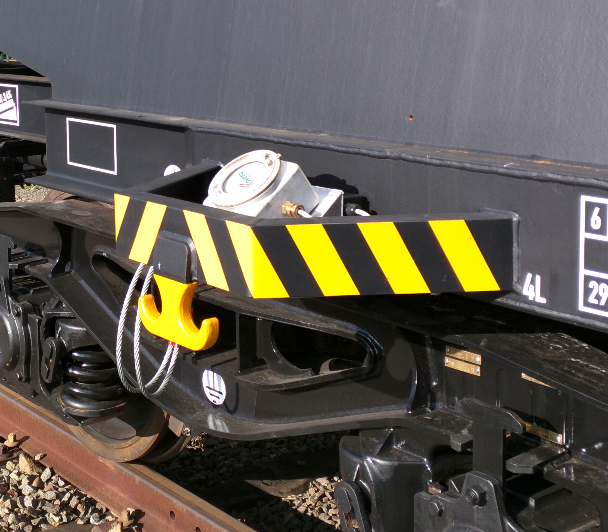
The I-PORT demonstration project involves creation and demonstration of IT services for optimisation of inter-modal container transport in Ports. The project is a collaboration between AIMES, Avanti Communications Group plc, ContainerPort, exactEarth and Atlantic Containers Ltd and involves deployment of systems within the UK and also in Germany, in collaboration with The Institute of Shipping Economics and Logistics (ISL) and DBH.

Electronic Offender Monitoring
Status date: 27 April 2016
Electronic Monitoring (EM) is used by several judicial government bodies worldwide to track offenders on probation or subjected to other forms of legal liberty constraints. This Feasibility Study analysed the technical feasibility and economic viability of an EM system/service featuring Galileo, the European Global Navigation Satellite System (GNSS) and using enhanced cartography and imagery obtained through Earth Observation (EO).

PIMSIS
Status date: 01 September 2016
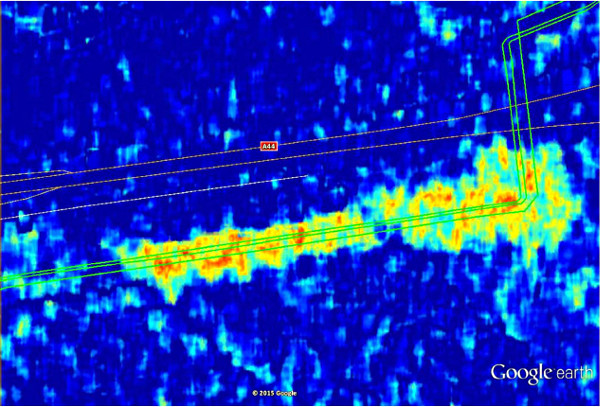
To demonstrate the added value of space assets for the monitoring of the integrity and safety of gas & oil transmission pipelines.

VGTropics
Status date: 22 April 2016
In many African countries, livestock farming is an important source of revenue that improves the quality of life and strengthens the development of the economy. Animal health not only has an impact on animal production and its economic consequences, but zoonoses may also have an important impact on public health. Real time surveillance and prompt actions are paramount in diminishing the impact of epizootics on livestock. For this reason, early detection and shortening the time between detection, reporting and providing measures to contain an outbreak is crucial.
VGTropics is the result of the “Predict” feasibility study which was successfully concluded in 2012.

VeriSpace
Status date: 09 February 2016
VeriSpace was an ESA-funded feasibility study that seeks to identify how space assets, such as Earth Observation (EO), Global Navigation Satellite Systems (GNSS) and communication technology, can be used to enable business benefits to insurance companies and loss adjusters when managing insurance claims. During the study, the VeriSpace Consortium specified two sustainable, user-driven services that utilise these space-based technologies to meet the needs of those businesses involved in claims management.
The VeriSpace feasibility study showed that space assets can contribute to providing services that can help the insurance industry in a number of business processes within the overall insurance claims process, which can ultimately provide efficiency savings to the insurance industry.

ARCTICSAT
Status date: 22 March 2016
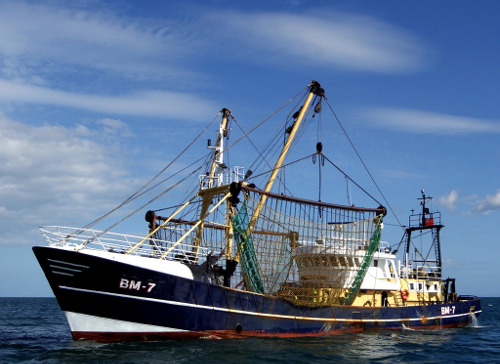
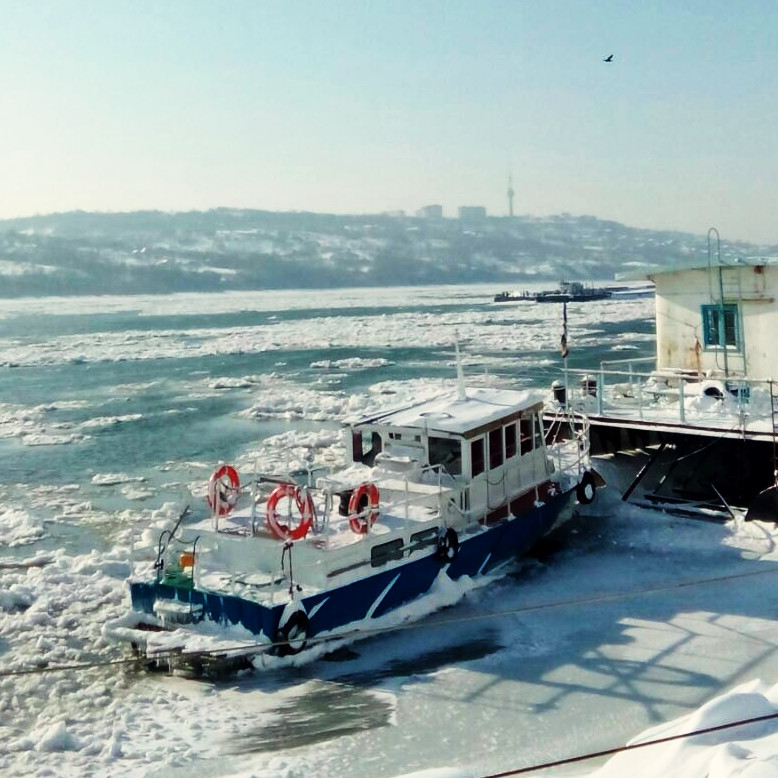
The objective of this feasibility study is to assess and validate the requirements for space technologies in support of optimising situational awareness in the Arctic. The major focus is on two application areas – shipping (e-Navigation in the Arctic) and oil & gas (Arctic oil spills).

GIRP
Status date: 25 August 2015
Subsidence due to clay shrinkage is the largest ground instability issue affecting residential property in the UK (75% of all valid insurance claims) with rectification costs averaging £250m (295m Euro) p.a. Research by the insurance sector (Swiss RE and Lloyds of London) indicates that the extent of subsidence both in the UK and Europe will worsen in line with climate change forecast. The insurance sector equally recognizes the need for significantly improved profiling and predictive tools to identify and target risk mitigation management.
The Ground Instability Risk Profiler (GIRP) service is planned to enable an accurate and predictive ground stability risk profiling service to the insurance industry in a range of flexible formats through the integration of property data sources and satellite information.