


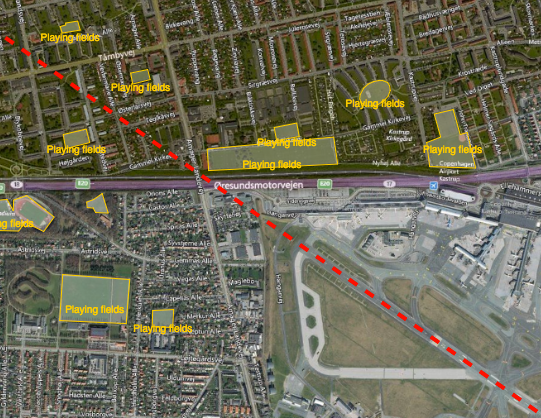
Reducing the risk of bird strikes using satellite images and Ascend’s Normalised Difference Water index software (NDWI)





BROWSE PROJECTS
Based on user needs and industry skills, the evolution of customized solutions and the establishment of innovative services is accomplished through project activities. Focusing on various thematic areas, relevant information on the project activities is provided below.
T4MOD
Status date: 30 November 2015
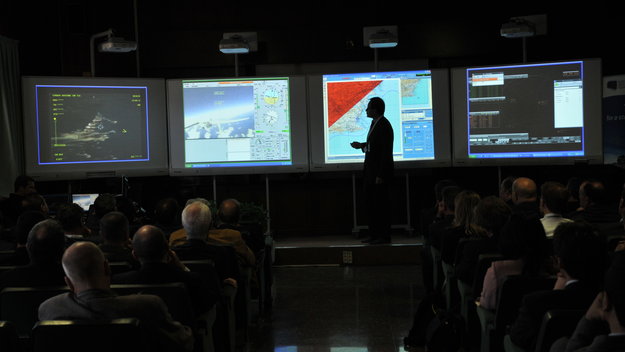
T4MOD project aims at developing and validating a user-friendly Telemedicine system, through an interoperable IP overlay satellite network associated to an intelligent end-to-end communication service, capable to support different medical specialities. This solution, to be validated in a military environment, could be also extended for future exploitations in civilian field for organisations (for example national health systems) operating in underserved and/or geographically isolated areas, such as in case of natural disasters or humanitarian crises. The system can be instrumental to develop new medical protocols for a cooperative medical work of diagnosis and therapies. T4MOD involves as users the health Department of four Ministries of Defence: France, Germany, Italy and Spain.
SASISA FS
Status date: 13 June 2013
SASISA assesses and validates a new service that enables emergency and disaster relief organisations to exploit overhead remote sensing during the most critical initial response phase for improved situational awareness.
Live Land
Status date: 29 November 2013
The objective of Live Land is to provide users with a suite of services that enables the management of hazards and the exposure of national transport infrastructure assets to landslide and subsidence events. During the feasibility stage, the Live Land consortium assessed the viability of developing a suite of services driven by the needs and requirements of end user organisations. Live Land proposed a ‘catalogue’ concept, to incorporate a suite of enabling technologies (including Space-borne, in-situ and geological datasets) that could improve the forecasting, monitoring and alerting of landslides and subsidence.
B-LiFE
Status date: 29 April 2015
The B-LiFE project is focused on delivering services for field analysis of biological threats and emergencies using a Light Fieldable Laboratory System.
IDRC
Status date: 26 January 2016
Communication and access to information are key requirements for public safety services responding to an emergency. However communication capabilities are often compromised or destroyed. Reliable alternatives must be rapidly deployed.
The IDRC study defines and assesses the technical and business feasibility of an operational service providing a wider access to the benefits of space capabilities in the first 72 hours.

TalkingFields
Status date: 09 May 2014
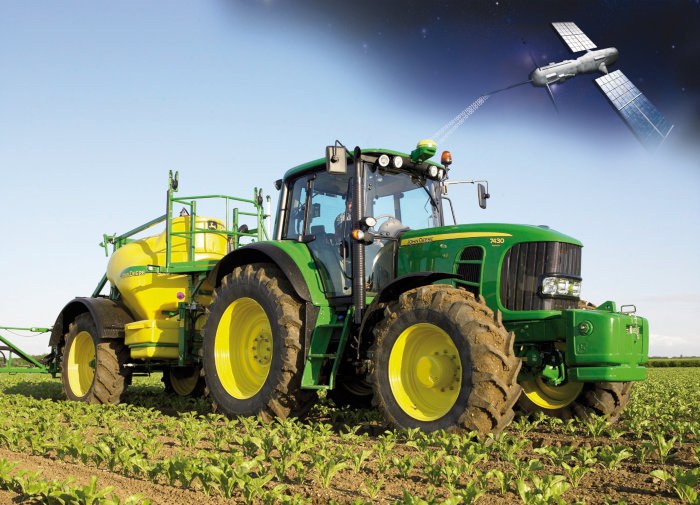
TalkingFields aims to increase the efficiency of agricultural production via precision farming by means of geo-information services. It integrates space and ground-based assets to achieve this target. The TalkingFields Demonstration Study is the result of a feasibility study which was successfully concluded in 2009.

sahel
Status date: 06 May 2011
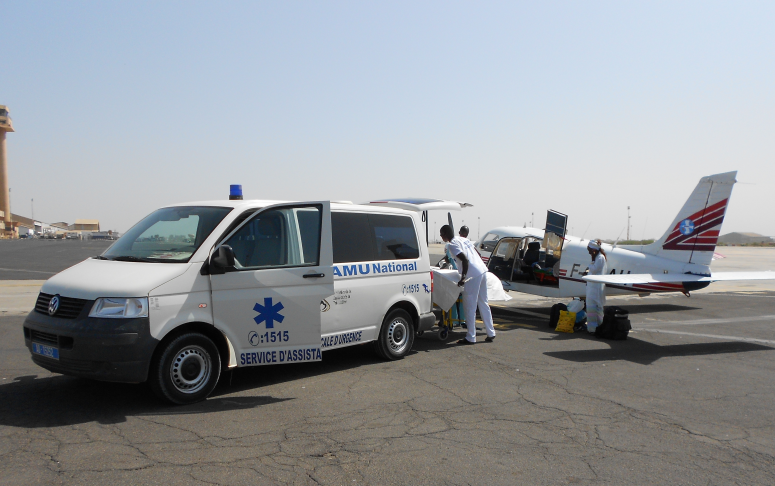
The SAHEL initiative is a demonstration project for telemedicine service in Sub-Saharan Africa. The project will define and implement an operational pilot system connecting some isolated areas in both Western and Eastern countries of the Sub-Saharan region with medical centres of excellence for clinical services and eLearning. It is the first building block of a large pan-African network for telemedicine, in line with the TTF (Telemedecine Task Force) objectives.

TWIM
Status date: 29 May 2013
Two Way Information Management (TWIM) is a Feasibility Study to assess the added value of receiving information regarding incidents, public safety issues, criminal behaviour etc. from the general public via their smartphones or other mobile devices, in support of operations of Civil Protection Services (Police, Fire Brigade, Ambulance Service etc).

WIAP
Status date: 26 May 2014
This study aims to identify and realise the benefits that can be brought to the wind power service industry by integrating new and/or improved space capabilities. The study focusses on the users/stakeholders of the wind industry to understand their needs, with the aim to identify a potential gap in the infrastructure.