


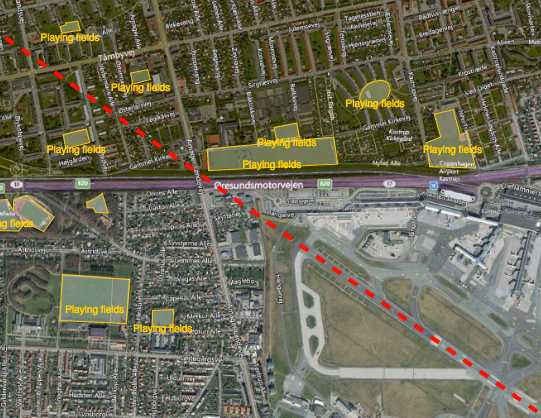
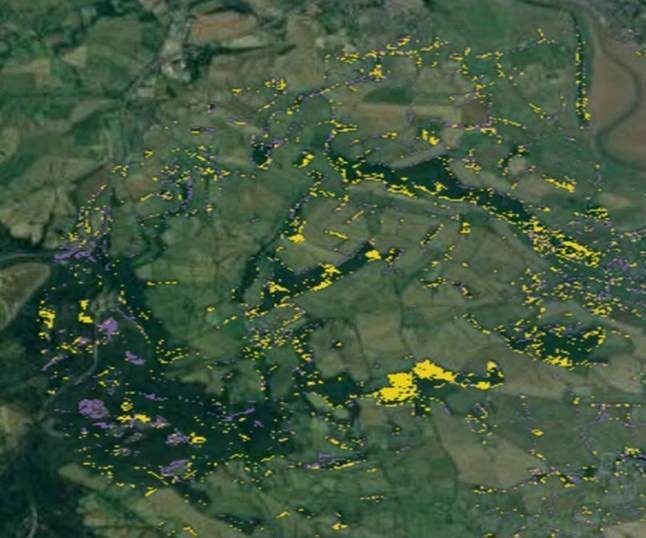
Reducing the risk of bird strikes using satellite images and Ascend’s Normalised Difference Water index software (NDWI)






BROWSE PROJECTS
Based on user needs and industry skills, the evolution of customized solutions and the establishment of innovative services is accomplished through project activities. Focusing on various thematic areas, relevant information on the project activities is provided below.

PLANET2
Status date: 09 December 2014
PLANET2 aims at providing business and regional aviation with in-flight information updates on weather conditions and hazards, while contributing at the same time to the observation of the atmosphere thanks to in-situ measurements sent from the aircraft to the weather agencies.

ISAES
Status date: 01 December 2014
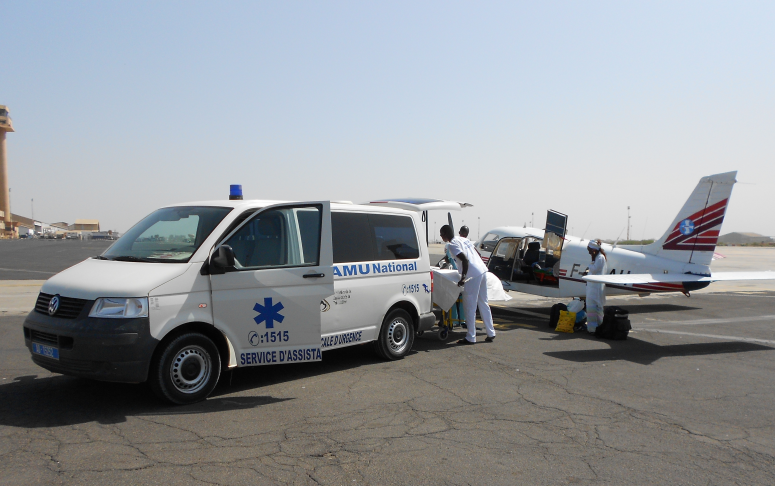
The proposed project is to conduct a feasibility study focused mainly on interoperability aspects derived from to design, implement and operate a pan-African eHealth platform based on a satellite communications system.

AAF
Status date: 03 December 2014
Snow avalanches kill people and damage infrastructure in mountainous regions worldwide. Avalanche warning services base their products mainly on numerical weather prediction outputs, networks of automatic stations and observers in the field. Presently many European networks are not dense enough and observations by people in the field are hindered by bad weather conditions or high avalanche danger.

Lift Off
Status date: 08 September 2014
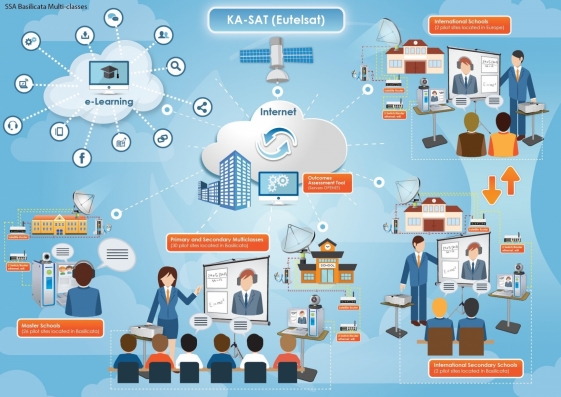
Internet penetration growth curve is still on the steeper side: people require more and more affordable and fast connection to the Internet, independently from where they are. The key characteristics of what is expected by an Internet connection are speed, affordability and reliability. In this sense the Lift Off Project tries to bring further the innovation brought by the recent satellites investigating on how DPI (Deep Packet Inspection) can be introduced by a Satellite Service Provider. The scope of this innovative “next step” on top of the KA-SAT is to optimize the existing services and to generate innovative market offers for satellite internet connectivity maximizing the user experience while improving the ratio cost/performances.

METSAR
Status date: 09 September 2014
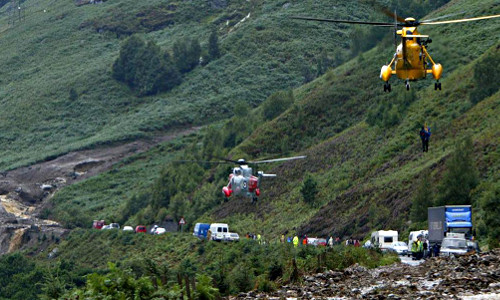
The METSAR project will investigate the feasibility of developing and demonstrating a new concept to the Search and Rescue (SAR) community.

OTMOSERA
Status date: 29 August 2014
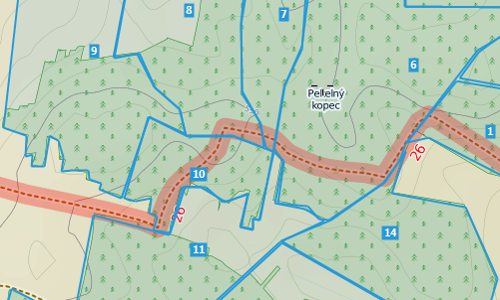
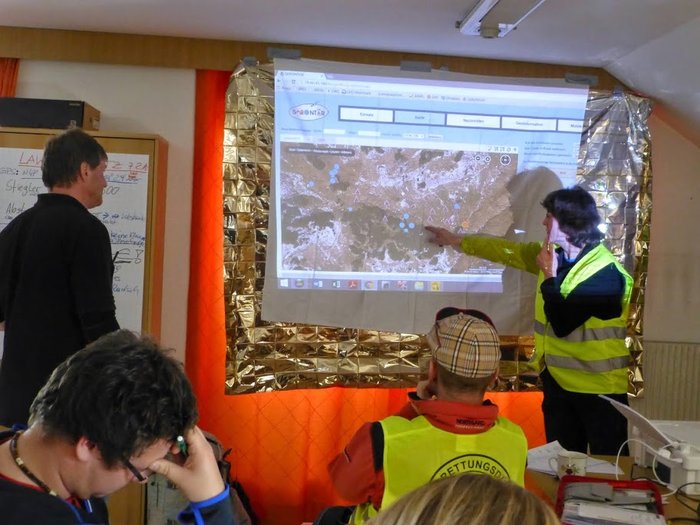
The purpose of the fast track feasibility study 'Open Trail Map / Open Solutions for enhanced Situation Awareness and efficient Emergency Response Actions in Mountainous Regions - OTM / OSERA' was to investigate and assess the technical feasibility and commercial viability of sustainable services to support the management and maintenance of hiking paths and trail maps, to support the safety and enjoyment of their visitors, to reduce the operational cost, and to prepare the follow-on steps for the implementation of such services.

TT-GSAT
Status date: 20 September 2022
TT-GSat offers a test and trial environment for emergency personnel and industry where it is possible to touch, try out and play with real building blocks to creatively find and implement new solutions. These building blocks can be individually combined with each other to try out and test the interaction of different equipment in different deployment scenarios.
SatCare
Status date: 04 March 2021
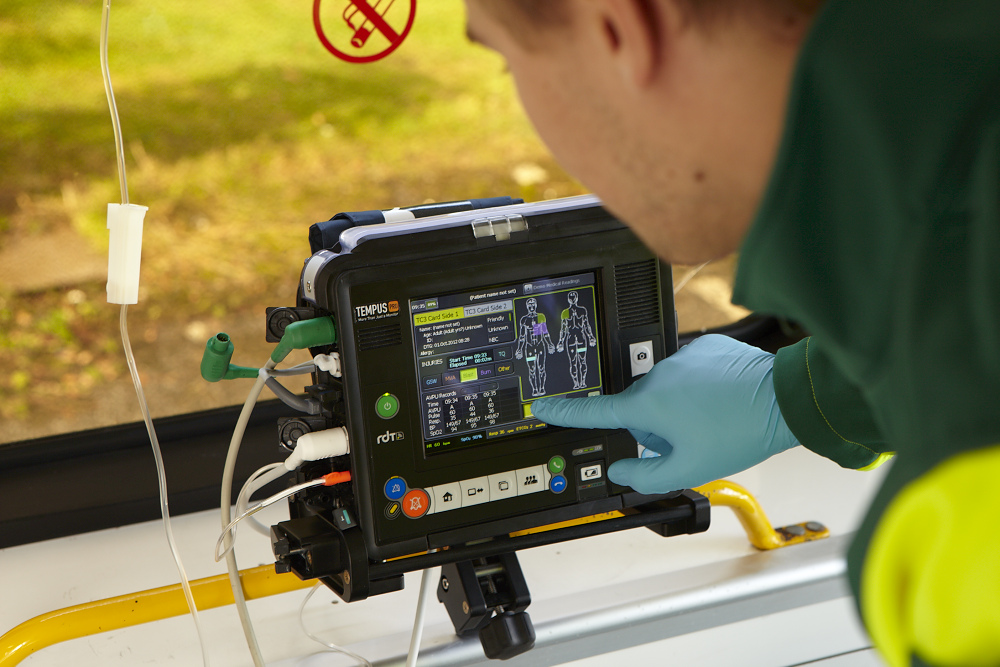
SatCare aimed to demonstrate two service concepts of remote diagnostics using a broadband managed communication system to include satcom. SatCare allows for video rich data to transmit scans to an hospital from a vehicle on the scene of the emergency and en-route to the hospital. Enabling a robust clinical decision support system for prehospital patients has an impact on the health outcomes for patients and can improve the productivity and efficiency of the ambulance service. Through the addition of Satcom we can broaden the coverage of this service to include areas where terrestrial broadband communication (LTE) is unavailable or over-subscribed.
JACKSON (AMAZON CCN#1)
Status date: 11 May 2020
This project is based on several ESA-backed projects, which resulted in the successful development of a set of telemedicine systems for civilian, military and commercial aviation applications. Since they were launched onto the market, the Tempus IC and Tempus Pro patient monitoring systems have been commercially successful in a range of pre-hospital care applications in Europe and North America.
This new project targets the development a range of products to allow wider implementation of telemedicine and patient data sharing through easy to install technology. This will enable access to larger market segments through cardiac electro-therapy solutions and data sharing capabilities.

RAPSODY
Status date: 19 November 2018
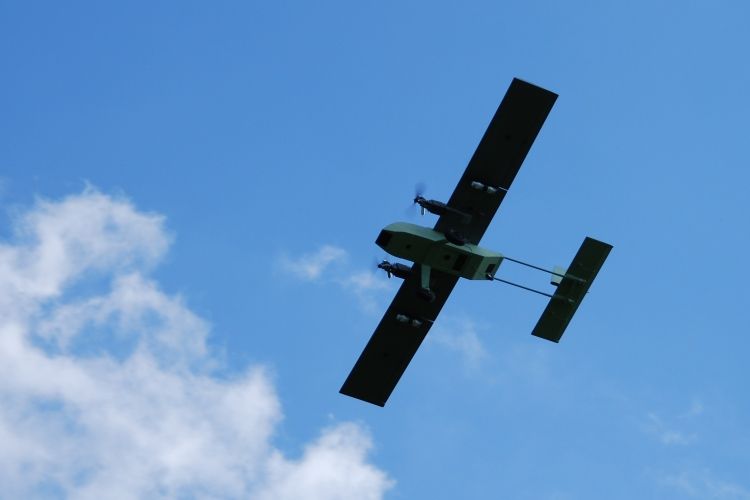
RAPSODY, a project led by TEKEVER, will demonstrate the use of remotely piloted aerial systems (RPAS) in a wide area maritime context, through the execution of search & rescue and pollution monitoring missions. The missions will be executed in near-real scenarios over the Atlantic Ocean. The Satcom-enabled RPAS will be fully prepared and customized to perform these maritime missions, including the integration of specific payloads and the usage of specially tailored mission-oriented data fusion, data compression and automatic feature recognition and identification algorithms.